

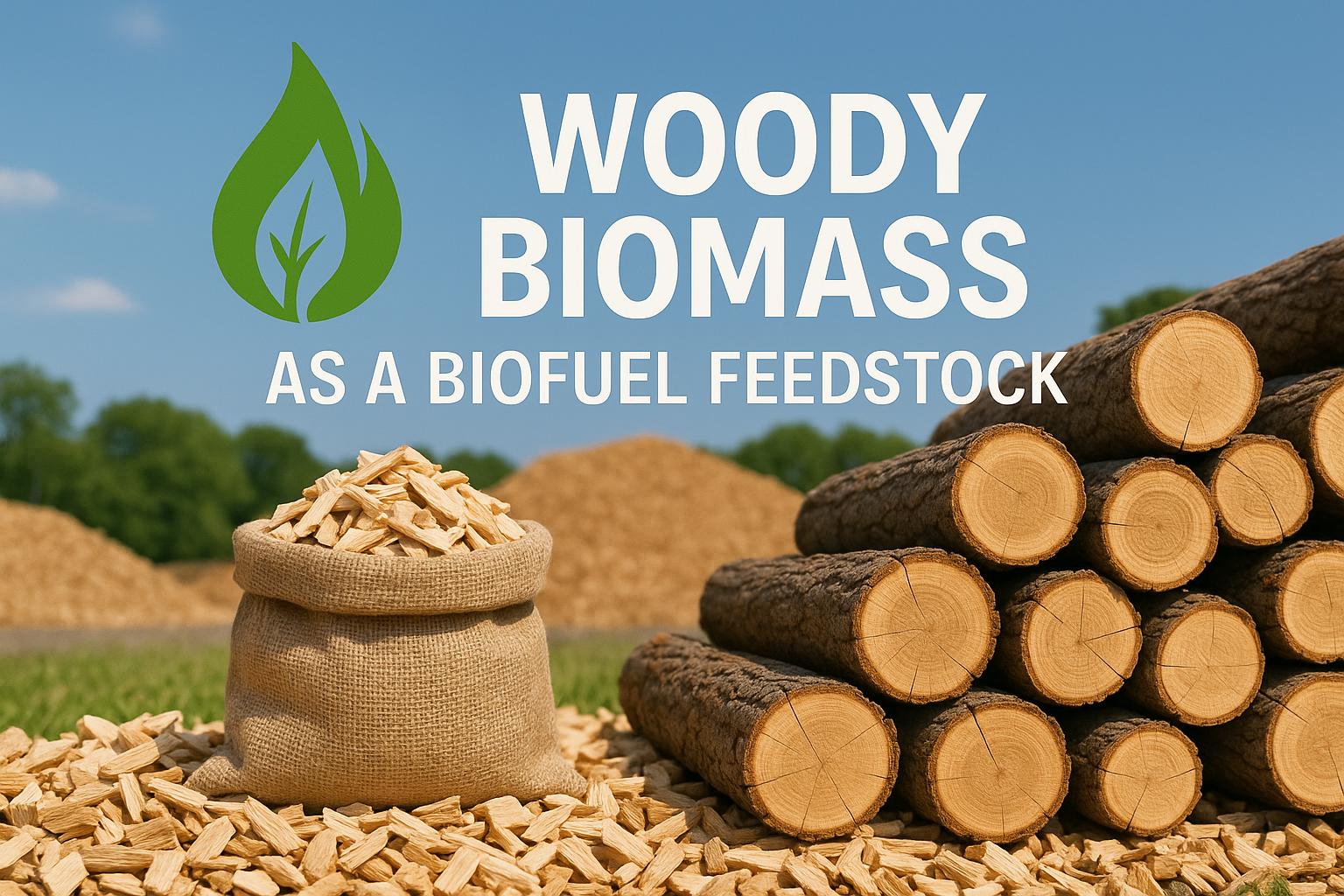
The Potential of Woody Biomass as a Biofuel Feedstock
Woody biomass is increasingly being recognized for its potential as a sustainable biofuel feedstock. Derived from trees, shrubs, and other wood-based materials, woody biomass can be transformed into biofuels that serve as alternatives to fossil fuels. This article examines the attributes of woody biomass that make it a viable candidate for biofuel production.
What is Woody Biomass?
Woody biomass refers to the organic material that comes from trees and woody plants. It includes various forms such as logs, branches, and wood chips, as well as by-products from forestry operations like sawdust and bark. These materials can undergo different conversion processes to produce various types of biofuels.
Conversion Processes
The transformation of woody biomass into biofuel typically involves thermochemical or biochemical processes:
Thermochemical Conversion: This involves processes such as pyrolysis, gasification, and combustion. These methods break down the biomass into syngas or bio-oil that can further be refined into liquid fuels.
Biochemical Conversion: Enzymatic and microbial processes fall under this category, where woody biomass is fermented to produce bioethanol and other bio-based products.
For more technical details on conversion processes, consider visiting resources like the U.S. Department of Energy.
Environmental Impacts
One of the major advantages of woody biomass is its carbon-neutral potential. During its growth phase, trees absorb carbon dioxide from the atmosphere, offsetting the emissions produced when the biomass is finally used for energy. Moreover, compared to fossil fuels, biofuels derived from woody biomass result in fewer greenhouse gas emissions.
In sustainably managed forests, the use of wood residuals and waste materials can also prevent excess biomass from decomposing on the forest floor, thereby reducing the release of methane—a potent greenhouse gas.
Challenges and Considerations
While the prospects for woody biomass are promising, several challenges need addressing. The supply chain logistics for the collection, transportation, and processing of woody biomass can be complex and costly. Moreover, sustainable forest management is crucial to ensure that biomass harvesting does not lead to deforestation or ecosystem degradation.
Another issue is energy balance. The energy required to convert woody biomass into biofuel must not exceed the energy contained in the produced fuel. Technological advances are needed to improve the efficiency of conversion processes to make woody biomass a more competitive energy source.
Economic Viability
The economic viability of woody biomass as a biofuel feedstock depends largely on regional factors, including the availability of woody materials and the cost of alternative energy sources. Government incentives and policies also play a significant role in promoting or hindering the adoption of woody biomass for biofuel production.
Exploratory studies and pilot projects backed by both governmental and private sectors can pave the way for wider acceptance and implementation. To explore more on policy impacts and economic viability, you might want to check organizations such as the International Renewable Energy Agency (IRENA).
Sustainability
Evaluating the sustainability of woody biomass involves examining both ecological and economic dimensions. Firstly, sustainable harvesting ensures that the extraction of biomass does not outpace the growth of forests. This practice requires careful management and maintenance of forest health, including considerations for biodiversity and soil conservation. Secondly, economic sustainability involves ensuring that woody biomass production is financially viable for producers while being cost-effective for consumers.
Innovative Technologies
Innovative technologies are at the forefront of enhancing the efficiency and sustainability of woody biomass as a biofuel. Advanced conversion techniques, like high-efficiency fermenters and improved gasification methods, are being researched to reduce costs and improve energy yields. Additionally, efforts to genetically modify trees to enhance growth rates or increase biomass yield are ongoing, aimed at optimizing this renewable resource for energy production.
Potential for Rural Development
The development of woody biomass as a biofuel can have positive implications for rural communities, particularly in areas rich in forestry resources. By establishing local biomass processing plants, rural regions can experience economic growth through job creation and increased investment. Furthermore, the localized nature of biomass lowers transportation costs and reduces dependency on imported energy sources, thus fostering local energy resilience.
Future Outlook
As research and technology continue to evolve, woody biomass is likely to play a more prominent role in the global energy landscape. Governments and industries are increasingly investing in renewable energy technologies, and woody biomass will benefit from this trend. Collaborations between countries, research institutions, and private sectors can also facilitate the exchange of knowledge and technology, further advancing the efficacy of biomass as a biofuel feedstock.
Conclusion
In summary, woody biomass holds considerable potential as a sustainable and environmentally friendly feedstock for biofuel production. Although there are challenges related to logistics, technology, and economics, ongoing research and policy efforts are contributing to the realization of its potential. With continued innovation and investment, woody biomass could play a significant role in the future of renewable energy, supporting a transition towards sustainable energy systems globally.