

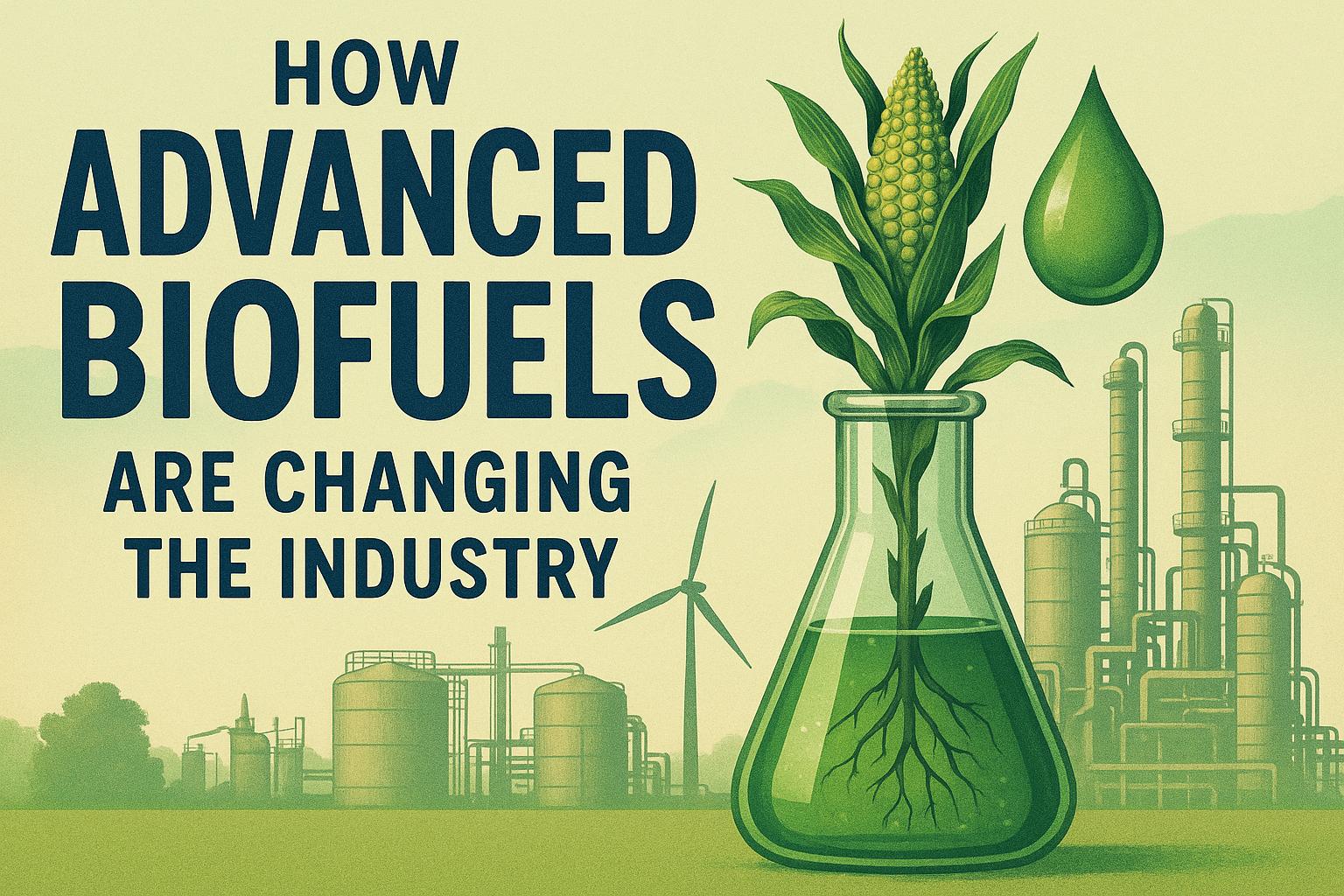
Introduction to Advanced Biofuels
Advanced biofuels represent a significant shift in the energy sector, offering a sustainable alternative to traditional fossil fuels. Unlike first-generation biofuels, which are typically derived from food crops like corn and sugarcane, advanced biofuels are produced from non-food biomass, including agricultural residues, woody biomass, and algae. This approach mitigates the food-versus-fuel debate and presents a more environmentally friendly option. As the world grapples with the challenge of reducing carbon emissions and finding sustainable energy sources, advanced biofuels have emerged as a promising solution.
Types of Advanced Biofuels
Advanced biofuels encompass a variety of fuel types, each derived from different sources and technologies. Understanding these types is crucial for recognizing their potential and limitations.
Cellulosic Ethanol: Cellulosic ethanol is created from the fibrous parts of plants, often referred to as lignocellulosic biomass. This includes materials such as corn stover, switchgrass, and wood chips. The production process involves breaking down the cellulose fibers into sugars that are then fermented into ethanol. One of the significant advantages of cellulosic ethanol is its reduced carbon footprint compared to conventional fuels. Since it utilizes parts of the plant that are not used for food, it provides a more sustainable option without competing with food supply.
Algal Biofuels: Algal biofuels are derived from algae, microorganisms that can be cultivated in various aquatic environments. These biofuels are particularly attractive due to their high yield potential and rapid growth rates. Algae can thrive in saltwater and wastewater systems, making them versatile and reducing the need for freshwater resources. The lipid content in algae can be converted into biodiesel or jet fuel, offering a renewable energy source with broad application potential.
Bio-Synthetic Gasoline and Diesel: These fuels are produced through biochemical and thermochemical methods to create fuel molecules identical to those found in petroleum-based fuels. They are synthesized using renewable resources, such as biomass through the Fisher-Tropsch process or other advanced technologies. The advantage here is that existing infrastructure for petroleum fuels—such as pipelines, engines, and refineries—can handle these biofuels without modification, facilitating a smoother transition from fossil fuels.
Environmental and Economic Benefits
The development and implementation of advanced biofuels provide significant environmental and economic benefits. From an environmental perspective, advanced biofuels contribute to a reduction in greenhouse gas emissions. By replacing conventional fossil fuels, they help mitigate climate change and promote cleaner air quality. Additionally, using non-food sources for biofuel production alleviates pressure on global food supplies and reduces deforestation and habitat loss associated with agricultural expansion.
Economically, the advanced biofuels industry offers numerous advantages, particularly for rural communities. The demand for biomass feedstocks can lead to the revitalization of agricultural sectors, as these resources come from agricultural waste, forest residues, and purpose-grown energy crops. Consequently, new business opportunities emerge in processing, transportation, and logistics, leading to job creation and economic rejuvenation in these regions. Furthermore, decreasing reliance on imported petroleum enhances national energy security, keeping economic resources within the country and driving further investment in green technology.
Challenges Facing Advanced Biofuels
Even with their potential, advanced biofuels face several notable challenges. On the technological front, converting biomass into liquid fuels efficiently remains a significant hurdle. The processes involved are complex and require ongoing research and development to improve their efficiency and cost-effectiveness. Developing enzymes and catalysts that can effectively break down cellulose and lignin is crucial for advancing these technologies.
Scaling up from pilot plants to commercial production is another challenge. Pilot plants demonstrate feasibility, but larger-scale production brings complexities in logistics, investment, and technology that are not present at smaller scales. This often results in higher costs, making it difficult for advanced biofuels to compete with conventional fuels without government support or subsidies.
Regulatory and market barriers also hinder the progress of advanced biofuels. Regulatory frameworks that support the adoption of renewable energy are essential, yet they vary significantly across different regions and countries. Inconsistent policies can lead to uncertainty for investors and companies operating in this sector. Moreover, market competition with established fossil fuel industries poses further challenges, as price fluctuations in oil markets can impact the viability of biofuel ventures.
The Future of Advanced Biofuels
Looking ahead, the future of advanced biofuels appears promising, driven by technological advancements and supportive policies. Governments and private sectors are recognizing the importance of transitioning to sustainable energy and are investing in research and infrastructure to support the biofuel industry. Innovations in biotechnology, such as genetic engineering, are enhancing the yield and efficiency of biofuel production processes. These advancements are critical to reducing production costs and increasing the market competitiveness of advanced biofuels.
International collaborations and partnerships among academia, industry, and government agencies are fostering knowledge-sharing and innovation. Policy initiatives like renewable fuel standards and carbon pricing are incentivizing the adoption of cleaner energy sources, while also encouraging the development of new business models that integrate biofuels into the existing energy landscape.
In conclusion, while there are challenges to overcome, the potential of advanced biofuels to transform the energy sector is undeniable. With sustained investment and innovation, they have the capacity to become mainstream energy sources, contributing significantly to global efforts in achieving sustainable and environmentally friendly energy systems. For those interested in exploring this growing field further, a wide range of resources, industry reports, and research studies are available, offering deeper insights into the advances and developments within the biofuel industry.