

The Rise of Biofuels
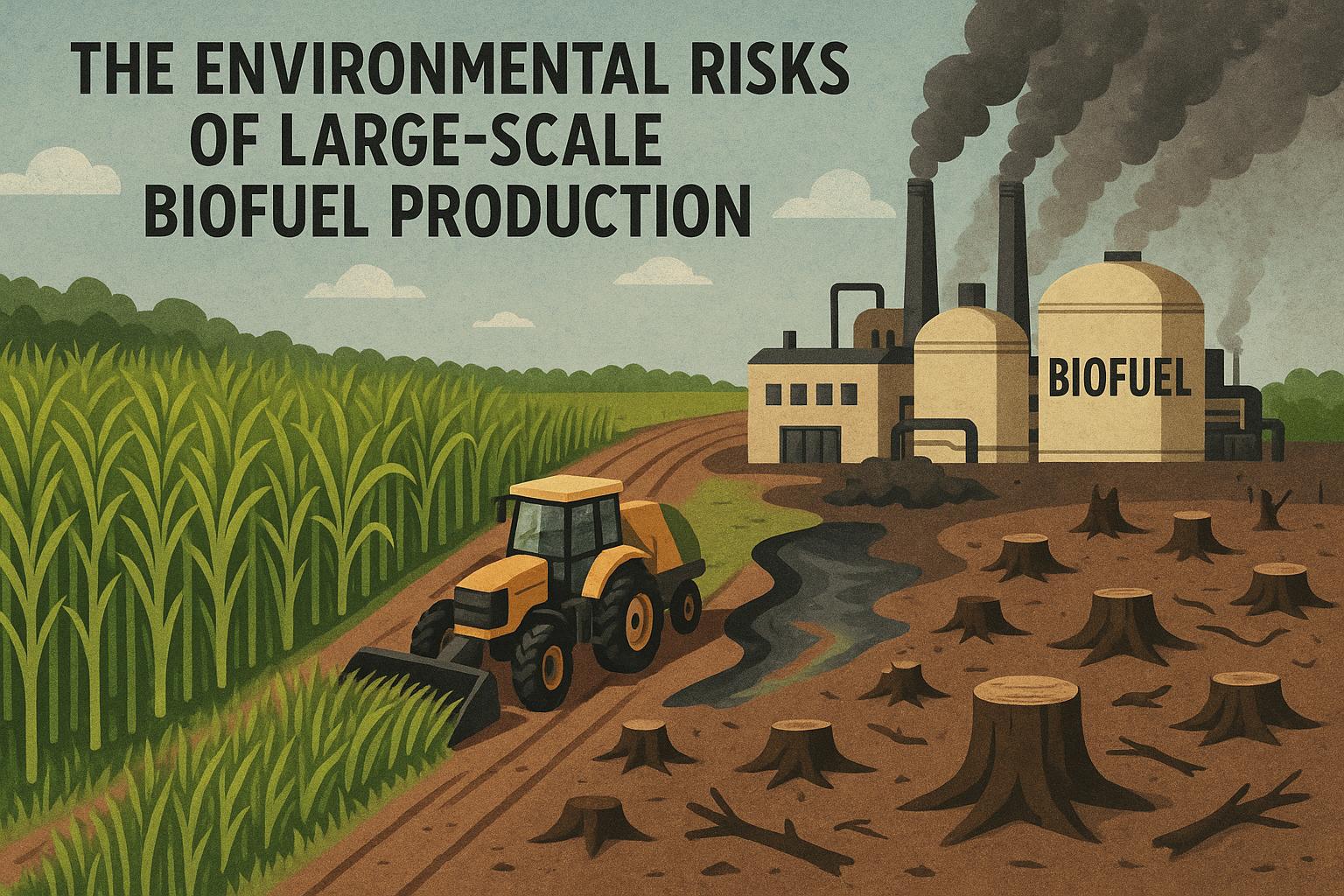
Biofuels have emerged as a pivotal component in the quest for cleaner, renewable energy sources. They are derived primarily from organic materials like plants and animal waste and are recognized for their potential to significantly reduce our reliance on fossil fuels, thereby reducing greenhouse gas emissions. As the global community strives for a more sustainable future, biofuels are often positioned as a potential solution. However, alongside the apparent benefits, the environmental drawbacks of large-scale biofuel production must not be overlooked.
Land Use and Deforestation
Land Use Changes
Biofuel production necessitates a substantial amount of land, leading to significant shifts in land use. When natural ecosystems are converted into agricultural areas for biofuel crops, the repercussions on biodiversity can be severe. These conversions often involve transforming rich, diverse ecosystems into monocultures that offer little habitat variety for local wildlife. This loss of natural habitat is critically important, as it contributes to the decline and extinction of various species.
Deforestation Challenges
In many instances, forests are cleared to cultivate biofuel crops. The immediate impact of such deforestation is the release of carbon stored within trees. This release directly contradicts the purpose of biofuels, which is to provide a carbon-saving alternative to fossil fuels. The net result is often a counterproductive cycle where the initial environmental cost offsets the intended benefits. Furthermore, such practices can undermine international climate goals and commitments, particularly those focused on reducing deforestation and carbon emissions.
Water Usage and Pollution
Water Requirements
Agricultural production of biofuel crops is notoriously water-intensive, posing significant challenges to water conservation efforts. Staples such as corn, soybeans, and sugarcane require large quantities of water for growth. This becomes especially problematic in regions already facing water scarcity. As a result, local communities and ecosystems that depend on these water resources may experience heightened competition and potential shortages.
Pollution Concerns
The cultivation of biofuel crops often involves the use of fertilizers and pesticides to enhance crop yields. However, the runoff from these chemicals can lead to serious water pollution issues, including eutrophication—where water bodies become overly enriched with nutrients, resulting in excessive algae growth and aquatic ecosystem degradation. This detrimental impact on water quality can have far-reaching effects on marine biodiversity and the availability of clean water for human use.
Impact on Food Security
Crop Competition
An increase in land dedicated to biofuel crops can undermine global food security. As more agricultural land is diverted away from food production, there is potential for reduced food outputs, leading to increased food prices. This scenario worsens the socioeconomic disparities between affluent and low-income populations, who may already struggle to afford basic food staples.
Monoculture and Biodiversity
A focus on producing biofuel crops has led to larger monocultures, which are detrimental to agricultural biodiversity. These monocultures lack the ability to support diverse ecosystems, which are essential for ensuring that agricultural systems are resilient and adaptable to changes in climate or pest pressures. The narrowing of available crop varieties can result in more significant vulnerabilities in food systems.
Socioeconomic Considerations
Economic Opportunities vs. Risks
The growth of the biofuel industry has spurred the development of new economic opportunities in the form of jobs related to biofuel production and processing. However, these potential gains must be weighed against the risks faced by small-scale farmers, who may find themselves struggling to compete with large industrial operations. This economic shift can lead to decreased agricultural diversity and increased economic dependence on large corporations.
Land and Livelihood Issues
Biofuel production can give rise to complex land rights issues. Large-scale biofuel initiatives can result in the involuntary displacement of local communities if land is purchased at undervalued prices or seized outright for biofuel cultivation. Such practices threaten the livelihoods of these communities, often resulting in loss of income and resources for those who rely heavily on traditional farming practices.
In closing, while biofuels offer a promising alternative to fossil fuels, their implementation must be accompanied by a critical examination of the potential environmental and socioeconomic impacts. Sustainable practices such as responsible land use planning, water-resource management, and biodiversity protection must be integrated into biofuel strategies to ensure that they contribute positively to global climate objectives without compromising food security or infringing on the rights of local communities. An integrated approach that balances energy production with environmental preservation and social equity can lay a robust foundation for a truly sustainable energy future.