

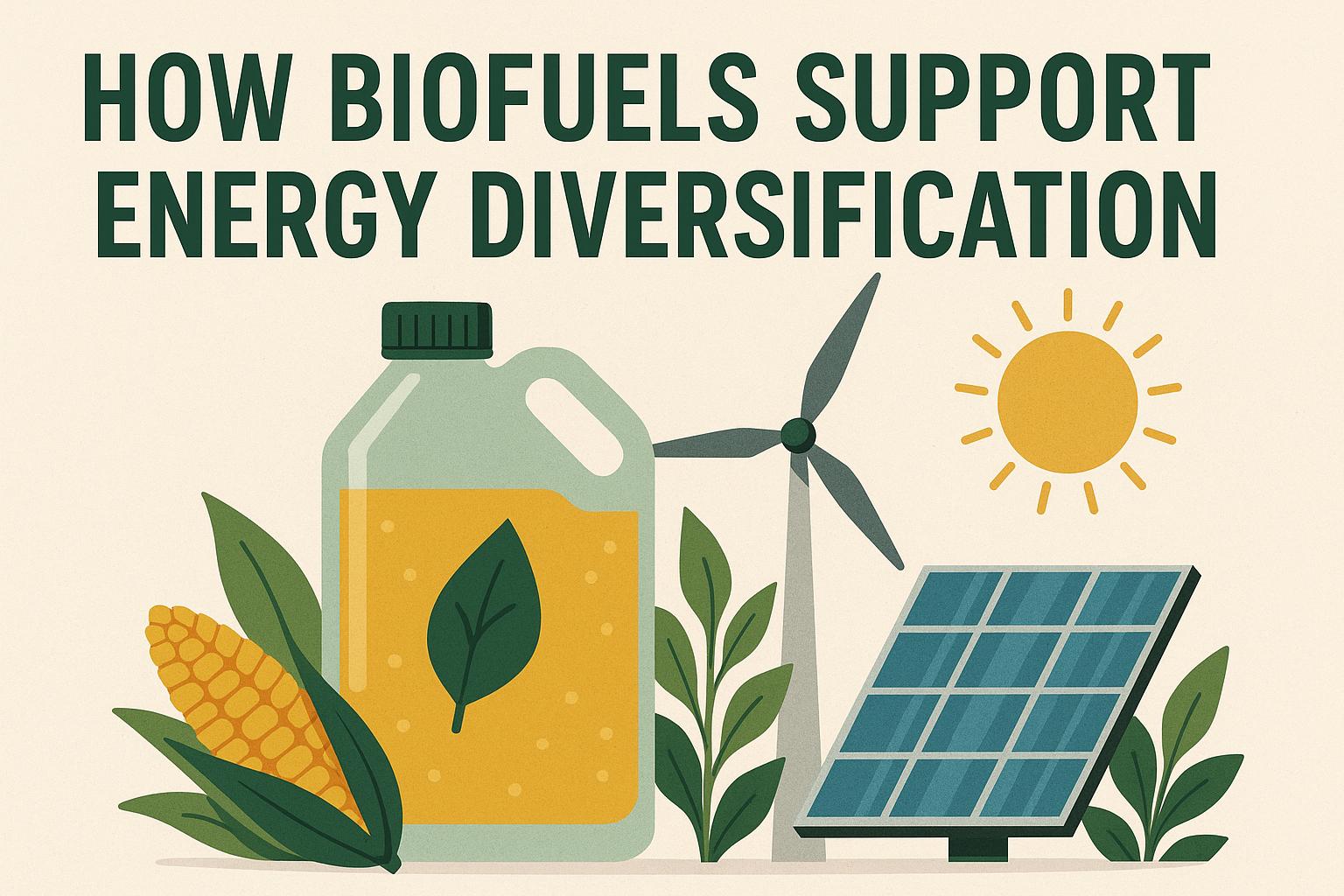
The Role of Biofuels in Energy Diversification
Energy diversification plays an indispensable role in fortifying energy security and fostering environmental sustainability. Among the array of alternative energy sources, biofuels have gained prominence as a credible option to achieve these objectives. Biofuels, derived from organic materials, provide a platform to expand the energy portfolio and diminish reliance on fossil fuels.
Understanding Biofuels
Biofuels are derived from biomass, encompassing plant materials and animal waste. The principal types of biofuels are ethanol and biodiesel. Ethanol is generally produced by fermenting the sugars contained in crops such as corn and sugarcane. On the other hand, biodiesel is synthesized from vegetable oils or animal fats. These biofuels have gained significant traction as part of global strategies aimed at diversifying energy sources.
Biofuels are distinguished by their renewable nature. Unlike fossil fuels, which are exhaustible and contribute substantially to carbon emissions, biofuels are renewable and usually possess a smaller carbon footprint. This characteristic renders them appealing to nations committed to reducing greenhouse gas emissions and confronting climate change.
Benefits of Biofuels in Energy Diversification
One of the salient advantages of biofuels in energy diversification lies in their capacity to offer a renewable energy source. By decreasing dependence on fossil fuels, biofuels help in mitigating the risks associated with energy supply disruptions and price volatility.
Moreover, biofuels can be effortlessly integrated into the prevailing energy infrastructure without necessitating substantial modifications. Ethanol, for instance, can be amalgamated with gasoline to generate an assortment of fuel combinations, while biodiesel can frequently be utilized in diesel engines with minimal or no alteration. This facile integration facilitates a smoother transition to a varied energy mix, thereby reducing barriers to adoption.
The Economic Implications
The ramifications of biofuels extend beyond environmental benefits, presenting noteworthy economic implications. The production of biofuels often capitalizes on domestic resources, consequently diminishing a nation’s dependency on imported oil. This bolstering of energy security is further augmented by the stabilization of energy prices, contributing to economic resilience.
Additionally, the cultivation of biofuel feedstocks coupled with the production process can bring about job creation in both the agricultural and industrial sectors. This can engender economic vitality in rural areas, which often face limited employment opportunities, thus driving regional development.
Challenges and Considerations
Despite the myriad benefits offered by biofuels, their expansion is not without challenges. One of the most prominent concerns revolves around indirect land-use change associated with biofuel production, which may lead to deforestation and other deleterious environmental impacts. Moreover, the competition for land between food production and biofuel feedstock production raises significant food security concerns.
The implementation of sustainable biofuel practices is pivotal in maximizing the advantages while minimizing potential detriments. Technological advancements offer promising pathways to address these challenges. For instance, the advent of second-generation biofuels, which capitalize on non-food crops and waste materials, presents a viable solution to mitigate land-use conflicts and enhance sustainability.
Another critical consideration in the biofuel discourse is the efficiency of production processes. Enhancing the efficiency of biofuel production technologies not only reduces costs but also decreases environmental impact. Through innovations in biotechnology and engineering, the efficiency and viability of producing biofuels can be significantly improved.
Furthermore, policy and regulatory frameworks play a vital role in shaping the biofuel landscape. By crafting supportive policies and offering incentives for sustainable biofuel production, governments can encourage investment and innovation in this sector. Such policy measures are crucial in creating a conducive environment for biofuel adoption and growth.
The global energy landscape is rapidly evolving, with biofuels poised to play an integral role in the transition to a diversified energy future. As the pursuit of a sustainable and secure energy supply becomes more urgent, biofuels provide a renewable and flexible source of energy that aligns with global environmental and economic goals.
In conclusion, biofuels undeniably occupy a significant place in promoting energy diversification by presenting a renewable and potentially more sustainable energy source. The potential of biofuels extends beyond the immediate benefits of reducing carbon emissions; they hold promise as drivers of economic growth and as instruments of energy security.
Ultimately, the successful integration of biofuels into the global energy system hinges on striking an optimal balance between their benefits and environmental considerations. Fostering continued technological innovations and embedding sustainable practices are vital steps in realizing the myriad potentials of biofuels within the global energy narrative. With the right blend of policies, technologies, and practices, biofuels can contribute meaningfully to the global quest for a diversified and sustainable energy future.