

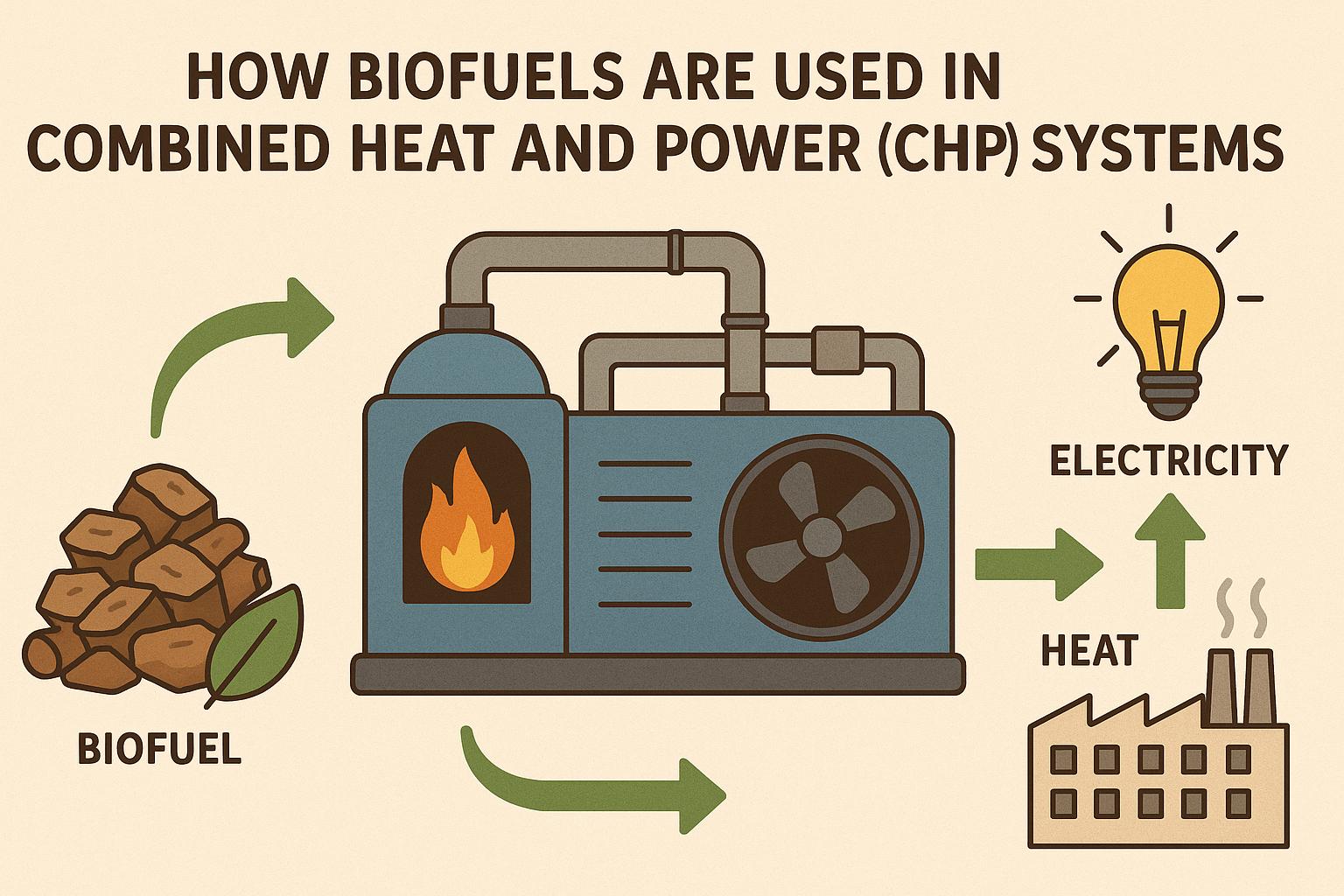
Understanding Combined Heat and Power (CHP) Systems
Combined Heat and Power (CHP) systems, or cogeneration, represent a significant stride in energy efficiency by uniquely producing both electricity and useful heat from a single fuel source. This method of energy generation capitalizes on the wasted thermal energy from power generation, which is typically lost to the environment. The result is a remarkable enhancement in overall system efficiency, with potential achievements of 60-80% efficiency. This is a considerable improvement over conventional methods where electricity and heat are produced separately, usually achieving only 45-55% efficiency. In this document, we will further explore the roles, benefits, and challenges of CHP systems, focusing particularly on the integration of biofuels.
The Role of Biofuels in CHP Systems
Biofuels take on a crucial role in enhancing the environmental sustainability and carbon neutrality of CHP systems. Derived from organic materials, such as plant matter, waste, and residues, biofuels are classified as renewable energy sources. Unlike fossil fuels, biofuels can be replenished in a relatively short period, thus providing a continuous energy resource without the extensive timeframes associated with fossil fuel formation.
Types of Biofuels Used in CHP Systems
Biofuels come in various types, classified by their source and production methods. Within CHP systems, the following are the most commonly employed:
Biogas: Produced through the anaerobic digestion of organic waste, biogas is a combination of methane and carbon dioxide. In the context of CHP systems, it can be utilized directly in gas engines or turbines. The electricity generated is then distributed while the captured heat can be used for other applications, promoting system efficiency.
Biodiesel: Made from sources such as vegetable oils, animal fats, or recycled cooking grease, biodiesel is versatile for use in modified diesel engines that are part of CHP setups. Its biodegradability and minimal sulfur content make it environmentally friendly compared to standard diesel fuels.
Bioethanol: As a renewable fuel derived from fermenting plant sugars, bioethanol can serve as either a fuel additive or an independent fuel source in modified engines within CHP systems. Its integration supports not only energy sustainability but also agricultural industries by providing a use for excess plant material.
Benefits of Using Biofuels in CHP Systems
There are numerous advantages to incorporating biofuels within CHP systems; here we delve into key ones:
Environmental Benefits: The use of biofuels significantly reduces the greenhouse gas emissions compared to fossil fuels, thereby allowing for lower carbon footprints. Additionally, integrating biofuels into CHP systems aids in minimizing waste and encourages the recycling of organic materials.
Energy Security: Biofuels facilitate local production of energy resources, which is advantageous for reducing dependence on imported fuels. This not only fosters energy independence but also supports local economies by keeping the production and distribution of energy within the region.
Versatility: CHP systems designed with biofuels can be configured to utilize various types, providing flexibility in fuel choice. This adaptability is beneficial in scenarios of fluctuating fuel availability or shifting economic factors, allowing operators to opt for the most readily available or cost-effective option.
Challenges and Considerations
Though promising, integrating biofuels into CHP systems is not without its challenges. One prominent issue is the somewhat nascent nature of the biofuel supply chain, which might result in variable availability and pricing compared to more established fossil fuel markets. Moreover, existing CHP infrastructure may require updates or modifications to effectively use biofuels, necessitating additional investment and time.
Operators considering biofuels must weigh these considerations against the economic and environmental benefits. Technological advancements and policy measures are likely to further solidify the supply chains and infrastructure compatibility, which will enhance the attractiveness of biofuels in the future energy landscape.
Ultimately, the integration of biofuels within CHP systems offers a sustainable pathway for energy production. By reconciling modern energy needs with ecological and economic objectives, biofuels can foster a more resilient energy framework. For those interested in delving deeper into the intersection of biofuels and CHP systems, resources like the Renewable Energy Agency and the United States Department of Energy provide extensive insights.
By employing a strategic approach that includes biofuels, CHP systems have the potential to not only meet environmental standards but also to provide a stable energy supply that aligns with contemporary needs. As the world’s energy challenges become increasingly complex, such adaptive and integrated technologies are paramount for building a sustainable energy future.