
The Lifecycle Analysis of Biofuels
The lifecycle analysis (LCA) of biofuels offers a methodical approach to understanding the environmental impacts and sustainability of biofuels as alternatives to conventional fossil fuels. By examining each stage from production to disposal, stakeholders can make informed decisions about the role of biofuels in energy systems.
Understanding Lifecycle Analysis
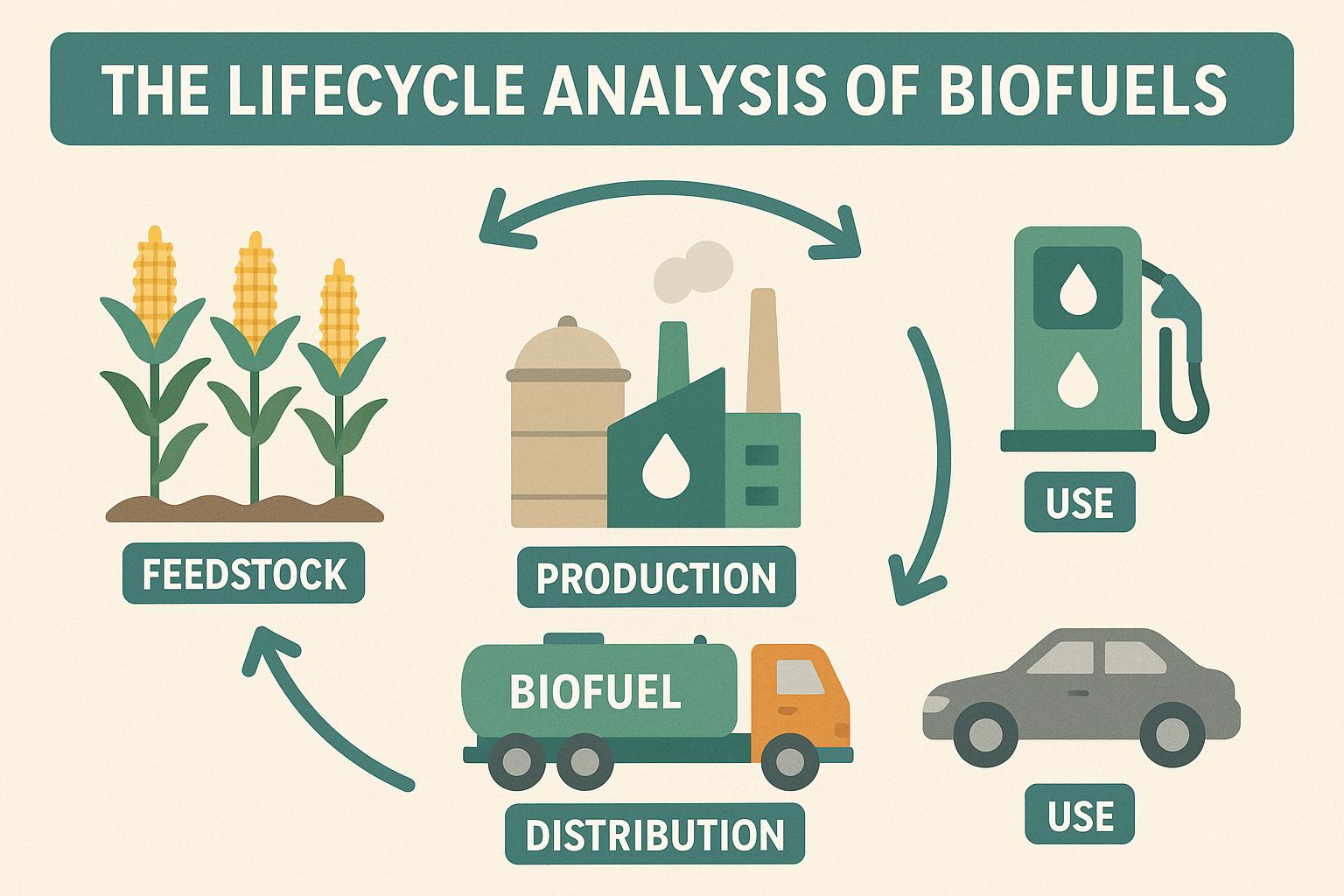
Lifecycle analysis is an essential tool in evaluating the environmental consequences of biofuels. This process analyzes multiple stages: feedstock production, fuel production, distribution, usage, and end-of-life. By applying LCA, one can determine the potential benefits and drawbacks of biofuels, ensuring a comprehensive evaluation of their sustainability.
Feedstock Production
Feedstock production is the preliminary phase in biofuel lifecycle analysis. It involves the cultivation of crops such as corn, sugarcane, or oil palm, or the collection of waste products like used cooking oil. This stage is crucial as it lays the foundation for subsequent processes. The ecological impact here includes land use changes where forests may be cleared to make way for biofuel plantations, affecting biodiversity. Water consumption is another critical factor, with irrigation affecting local water resources. In addition, the use of fertilizers and pesticides can lead to soil degradation and water pollution, impacting the regional ecosystem.
The choice of feedstock significantly affects the lifecycle energy balance and *greenhouse gas (GHG)* emissions. Crop-based feedstocks often involve significant inputs of energy and chemicals, which can lead to higher emissions. Conversely, utilizing waste products as feedstock can dramatically improve the carbon footprint by repurposing materials that might otherwise contribute to environmental harm.
Fuel Production
The subsequent stage in the LCA is the conversion of feedstock into biofuel. Processes such as fermentation, used for ethanol, or transesterification, employed for biodiesel, are commonplace in the industry. These chemical transformations can be energy-intensive and rely on inputs that may involve the use of fossil fuels, thereby contributing to GHG emissions.
However, advancements in technology have focused on enhancing production efficiencies. Innovations like cellulosic ethanol or algal biofuels are at the forefront, potentially reducing the carbon footprint by utilizing less conventional and more sustainable sources. Attention is being placed on improving these innovations to ensure that the energy output of biofuels exceeds the energy input required for their production.
Distribution and Usage
The distribution stage encompasses the logistics of transporting biofuels from production sites to end users. This stage considers the energy consumption associated with transporting biofuels, which can vary based on distance and transportation methods. The infrastructure required also plays a significant role. Unlike fossil fuels, biofuels might require unique storage and transportation methods, which could necessitate changes to existing infrastructure.
During the usage phase, biofuels offer considerable benefits, as they tend to produce fewer emissions than traditional fossil fuels. The combustion of biofuels releases carbon dioxide that plants have previously absorbed, aligning with the goal of reducing net carbon emissions. This attribute contributes to their appeal as a more sustainable option. Yet, the infrastructure complexities, such as ensuring compatibility with existing engines, remain a challenge that the industry needs to address.
End-of-Life
The lifecycle culminates in the end-of-life phase, focusing on the disposal or recycling of residual material left post-biofuel usage. While biofuels generally approach carbon neutrality, the environmental responsibility continues with efficient management of waste products. Reusing or recycling residuals can help prevent additional environmental burdens and support sustainability goals. For example, biochar, a byproduct of some biofuel processes, can be integrated back into the soil, enhancing its fertility and carbon storage capacity.
Evaluating Environmental Impact
The culmination of lifecycle analysis provides insight into various environmental impacts, including carbon emissions, energy efficiency, and broader ecological effects. This evaluative process is key for policymakers, researchers, and industry leaders aiming to foster sustainable energy practices. By leveraging LCA outcomes, improvements can be targeted for biofuel technologies, optimizing their role in reducing dependency on fossil fuels and contributing to climate change mitigation strategies.
It is essential for lifecycle analysis findings to be integrated into energy policies and research directives to ensure biofuels are deployed effectively. A nuanced understanding of these dynamics helps in aligning the development and implementation of biofuel technologies with environmental protection and ecological balance.
For further exploration, pursuing detailed studies on lifecycle analysis methodologies and biofuel standards from authoritative environmental organizations can provide more comprehensive insights into sustainable practices in the biofuel domain.