
Understanding Pyrolysis in Advanced Biofuel Production
The quest for sustainable and renewable energy sources has given rise to advanced biofuel production technologies, among which pyrolysis plays a significant role. Pyrolysis is a thermochemical decomposition process of organic material at elevated temperatures in the absence of oxygen. This method is critical in converting biomass into valuable energy resources, helping reduce reliance on fossil fuels and mitigating environmental impacts.
How Pyrolysis Works
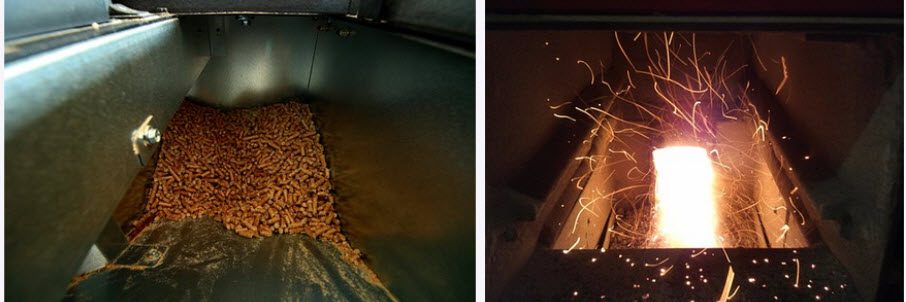
At its core, pyrolysis involves the breaking down of complex organic molecules into simpler compounds. The process occurs in an oxygen-free environment to prevent combustion, which would lead to oxidation rather than decomposition. Temperatures generally range from 300°C to 700°C, depending on the desired end-products. Within this temperature range, the organic material undergoes a series of physical and chemical changes. Initially, the biomass undergoes drying and subsequent thermal decomposition, leading to the release of volatile components.
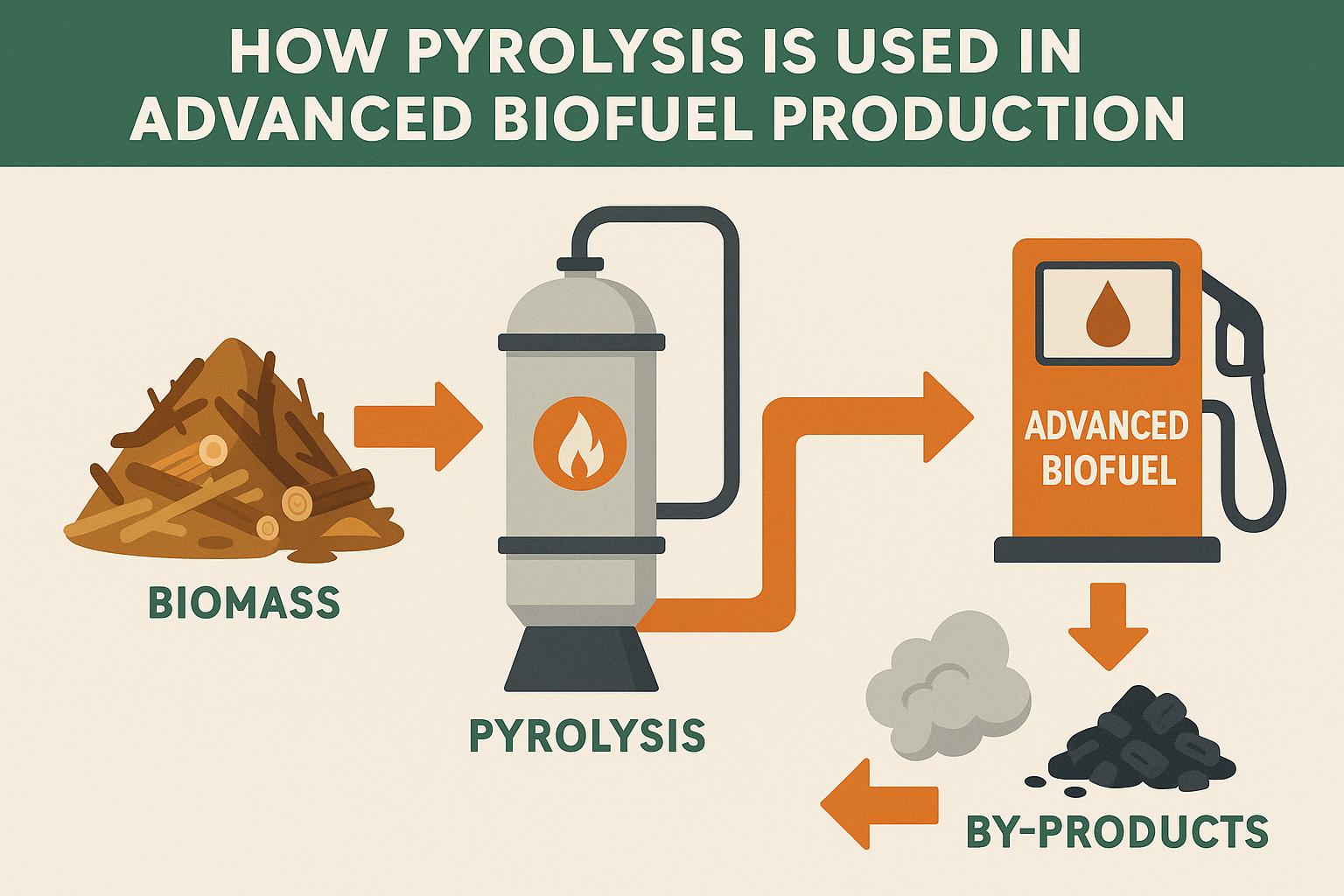
In this setting, biomass feedstocks, such as wood chips, agricultural residues, or municipal waste, are converted into valuable biofuels. The process involves three stages: heating, decomposition, and condensation. During heating, moisture is removed from the biomass. Decomposition then breaks down the biomass into char, oil, and gas components. Finally, condensation isolates the different fractions, enabling their collection and further processing.
Main Products of Pyrolysis
The pyrolysis process results in three primary products, each with its own utility and significance in biofuel production:
Bio-oil: The liquid fraction, commonly referred to as bio-crude or bio-oil, is a primary product of pyrolysis. This oil comprises a complex mixture of oxygenated hydrocarbons. Though its quality is initially low compared to conventional crude oil, it can be upgraded through various refining processes to produce high-quality transportation fuels, such as diesel and gasoline, and industrial chemicals. The presence of water, acids, and other oxygenated compounds in raw bio-oil presents challenges in refining, necessitating innovative processing techniques.
Biochar: A solid carbon-rich material, biochar acts as a soil amendment and aids in carbon sequestration. Its porous structure helps retain water and nutrients in the soil, enhancing soil health and fertility. This function is particularly beneficial in agriculture, especially in regions with poor soil quality. Additionally, by sequestering carbon in a stable form, biochar plays a role in mitigating climate change. The sustainability of biochar production and its long-term benefits in soil applications continue to be subjects of agricultural and environmental research.
Syngas: The gaseous component, called synthetic gas or syngas, consists of hydrogen, carbon monoxide, and other volatile compounds. Syngas is a versatile energy carrier, which can be further processed into synthetic fuels like methanol or used directly for heat and power generation. Its application in fuel cells is being explored to enhance efficiency and sustainability in energy systems. The production and utilization of syngas highlight the importance of gas cleaning and conditioning processes to remove impurities and optimize its energy content.
Advantages of Pyrolysis in Biofuel Production
Pyrolysis offers several advantages in the realm of biofuel production. Firstly, it allows the conversion of low-value waste materials into high-value renewable energy. This not only helps in waste management but also mitigates the environmental impact of discarded biomass, reducing the burden on landfills and associated pollution. Unlike other thermal processes, pyrolysis is flexible in its feedstock requirements, accommodating a wide variety of organic materials without the need for extensive pretreatment.
Environmental Benefits: Pyrolysis contributes significantly to greenhouse gas reduction. By diverting biomass from landfill and processing it into fuels, it reduces methane emissions associated with organic waste decomposition. Methane is a potent greenhouse gas, and its reduction is crucial in climate change mitigation. The production of biochar supports soil health and assists in carbon sequestration; this dual benefit underscores the role of biochar in both enhancing agricultural productivity and providing long-term environmental benefits.
Economic advantages also play a critical role. Pyrolysis systems can be modular and scalable, allowing implementation in various settings, from rural communities to industrial hubs. This scalability makes pyrolysis a viable option for decentralized energy generation, facilitating energy access in remote areas. The generation of multiple products—bio-oil, biochar, and syngas—allows for diversified revenue streams, enhancing the economic viability of pyrolysis plants.
Current Challenges and Future Prospects
Despite its potential, pyrolysis faces certain challenges that need to be addressed to optimize its role in biofuel production. High capital costs and the complexity of refining bio-oil into usable fuels remain significant barriers. Bio-oil, in its crude form, contains water and other oxygenates that lower its energy density and stability. Advanced upgrading techniques are essential to convert it into marketable fuels, requiring investment in research and development for process innovations. Additionally, scaling up pyrolysis systems from pilot projects to commercial operations involves technical and operational hurdles.
The variability in feedstock composition can affect the consistency and quality of the output. Different feedstocks yield different proportions of oil, char, and gas, complicating standardization and optimization efforts. Addressing these issues requires enhanced understanding of biomass characteristics and the development of flexible, robust processing systems.
Research efforts are currently underway to address these challenges, focusing on cost reduction, process optimization, and feedstock improvement. Innovations in reactor design, catalyst developments, and feedstock pretreatment strategies are being explored to optimize conversion efficiency and product yields. With continued advancements, pyrolysis could become a cornerstone technology in the sustainable production of biofuels, facilitating a transition towards a more resilient energy landscape. By integrating pyrolysis with other renewable energy technologies, a holistic approach to sustainable energy can be achieved, supporting the global effort to reduce reliance on fossil fuels and transition to a low-carbon economy.