
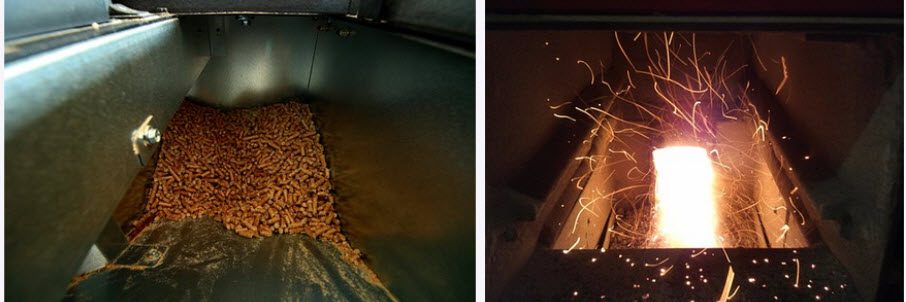
Introduction to Biofuel Feedstock
The use of biofuels as an alternative to traditional fossil fuels has been increasing due to their potential to reduce greenhouse gas emissions and reliance on non-renewable energy sources. Biofuels are produced from various types of biomass, known as feedstock, which can include crops like corn, soybeans, and sugarcane, as well as non-food sources like algae and agricultural residues. However, the availability of these feedstocks poses significant challenges that must be addressed to ensure the sustainability and efficiency of biofuel production.
Agricultural Competition
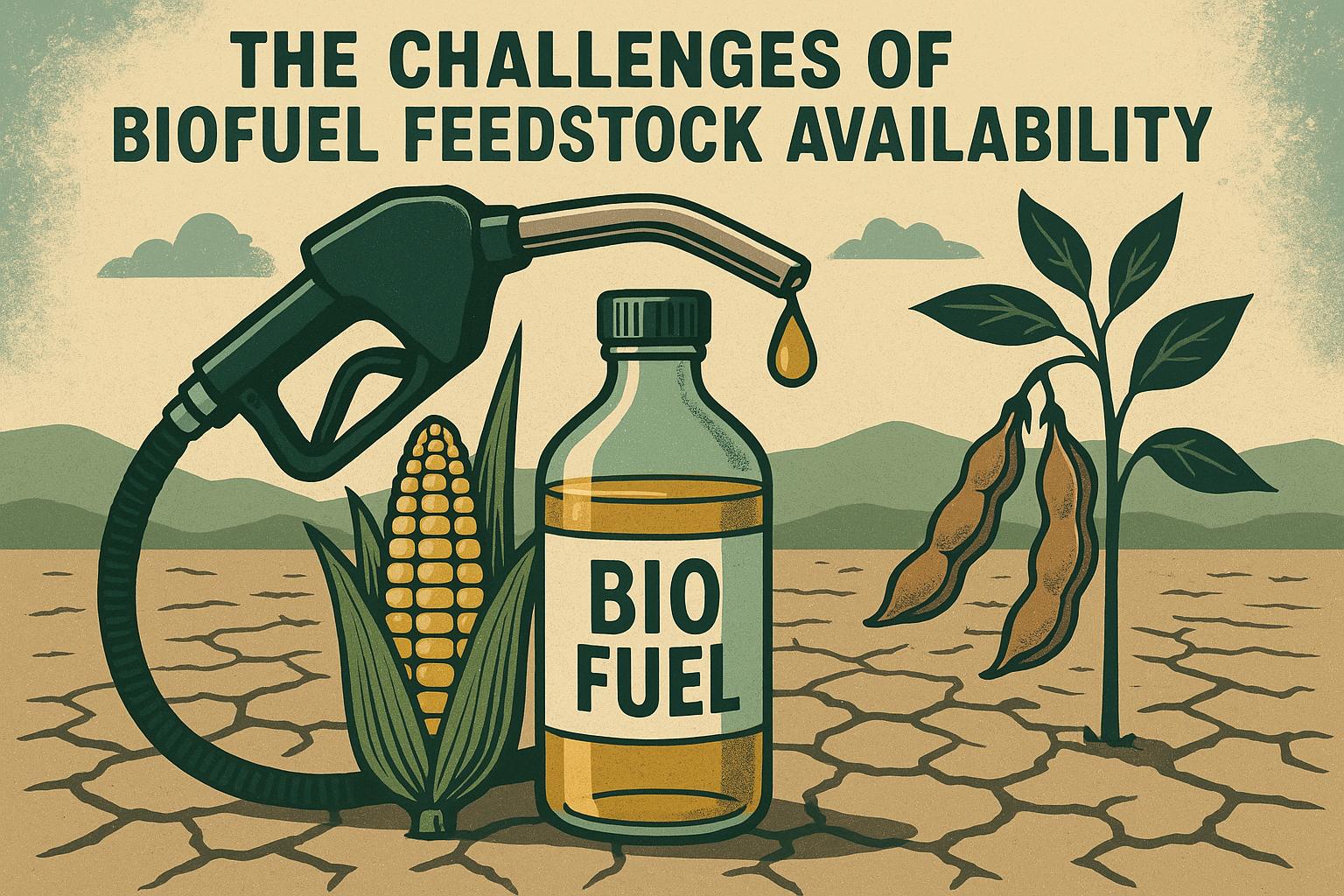
One major challenge in feedstock availability is the competition between biofuel production and food production. Many biofuels are derived from crops that are also used for human consumption. Corn and soybeans, for instance, are staple crops in many diets worldwide. As demand for biofuels increases, agricultural land is often diverted from food production to biofuel production, potentially leading to increased food prices and scarcity.
The interplay between energy production and food security is a complex issue. As biofuel markets expand, countries face the dilemma of balancing the need for renewable energy sources with the necessity of sustaining adequate food supplies. The impact of this competition varies globally, with developing countries potentially facing greater risks of food insecurity. Strategies to mitigate the effects of this competition include promoting the use of non-food crops for biofuel production and increasing agricultural productivity through advancements in farming practices.
Resource Limitations
The cultivation of feedstock crops for biofuels requires significant amounts of water, land, and nutrients. These resources are often limited, especially in regions prone to drought or with fertile land constrained by urban development. The need for water-intensive crops in areas with water scarcity exacerbates the challenges of sustainable biofuel production. Additionally, the fertilizer requirements for high-yield biofuel crops can lead to environmental issues such as nutrient runoff and pollution.
Agricultural practices need to evolve to address these resource limitations effectively. Techniques such as precision farming, which optimizes resource use, and the cultivation of drought-resistant crop varieties, offer potential solutions. It is crucial to adopt agroecological methods that enhance soil health and water retention capacities, reducing the ecological footprint of feedstock cultivation. Addressing these limitations will help balance the demand for biofuels with the preservation of essential natural resources.
Seasonal and Regional Variability
Feedstock availability is also subject to seasonal and regional variations. Different crops have specific growing cycles and climate requirements, making it difficult to maintain a consistent supply year-round. Regions that can grow certain types of feedstock efficiently may not align with areas where biofuel production facilities are located, leading to increased transportation costs and emissions.
To mitigate the impact of seasonal and regional variability, the biofuel industry needs to invest in infrastructure for efficient feedstock transport and storage. Developing regional supply chains that link biomass production with local biofuel plants can reduce transportation emissions and costs. Furthermore, diversifying the types of feedstock used, based on regional suitability, can help maintain a balanced supply throughout the year, ensuring a steady flow of biofuels to the market.
Advancements in Alternative Feedstocks
To overcome these challenges, research into alternative non-food feedstocks, such as algae and lignocellulosic biomass, is ongoing. Algae offer a promising solution due to their fast growth rates and ability to grow in environments unsuitable for traditional crops. Lignocellulosic biomass, which includes agricultural residues, forestry waste, and dedicated energy crops, represents a significant untapped source of biofuels that does not compete directly with the food supply.
Algae, in particular, are considered a revolutionary feedstock due to their high oil content and impressive growth efficiency. Moreover, algae cultivation does not require arable land, offering a sustainable pathway for expanding biofuel production without impinging on agricultural areas meant for food production. Similarly, lignocellulosic materials leverage existing waste streams, adding value to by-products of other industries, such as forestry and agriculture.
Technological and Policy Support
Further advancement in biofuel feedstock availability requires technological innovation and supportive policy frameworks. Investment in better crop selection, genetic modification for higher yields, and improved cultivation techniques can enhance the efficiency of feedstock production. Moreover, policies promoting sustainable agricultural practices, along with financial incentives for research and development, can drive progress in overcoming feedstock challenges.
Technological innovation extends beyond crop improvements to include innovations in harvesting methods and biofuel conversion technologies. Techniques such as enzymatic hydrolysis for breaking down lignocellulosic biomass into fermentable sugars are crucial advancements in increasing the viability of these alternative feedstocks.
Policy support is equally crucial in providing the necessary market conditions for biofuel industries to thrive. Policies should focus on establishing stable and predictable market environments, which can encourage private investment. Incentives for sustainable practices and the establishment of biofuel mandates can significantly influence market dynamics, aligning future feedstock supply with growing biofuel demands.
Conclusion
The challenges of biofuel feedstock availability are multi-faceted and require a comprehensive approach to address them effectively. While there are significant hurdles, the potential benefits of biofuels as a renewable energy source make it imperative to continue exploring and investing in solutions. Efforts should focus on both improving the efficiency of existing feedstocks and developing new sources that do not compete with food production or deplete natural resources.
A collaborative approach linking technological advances with policy development can address these challenges, ensuring a sustainable path forward for biofuel production. By integrating various feedstock sources and enhancing their cultivation and conversion processes, the biofuel sector can achieve a balanced solution that supports energy needs while safeguarding food supplies and the environment. As research progresses and policies adapt, the vision of a sustainable biofuel industry is within reach, promising a greener energy future.