

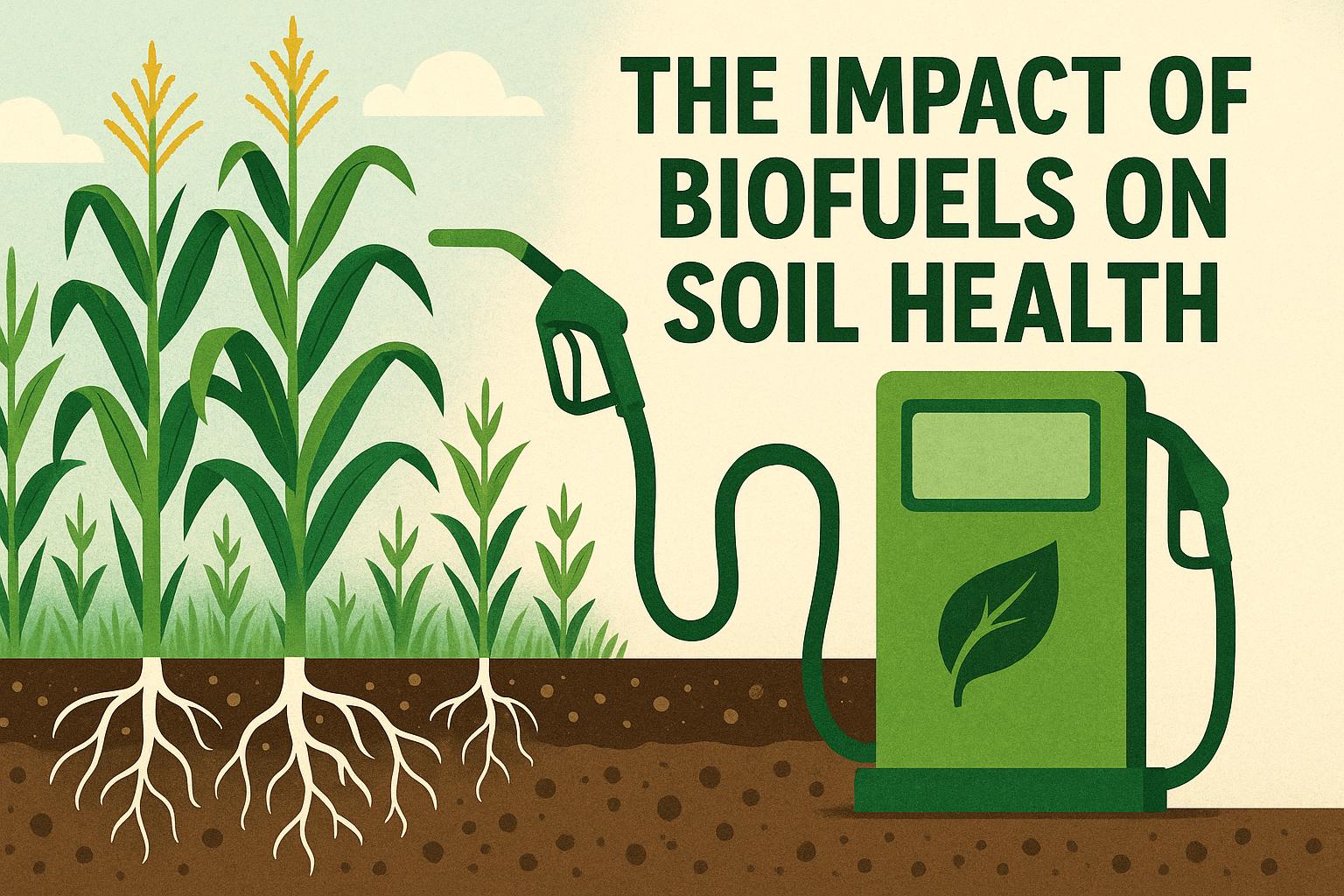
The Relationship Between Biofuels and Soil Health
The cultivation of biofuel crops is increasingly looked upon as a promising component of sustainable energy solutions in the modern era. Interest in biofuels is fueled by their potential to offset carbon emissions, offering a renewable alternative to traditional fossil fuels. However, the impact of biofuel production on soil health remains a nuanced and multifaceted subject. To grasp the complexities of this relationship, it is important to explore various contributing factors, including agricultural practices, crop selection, and land management strategies.
Biofuel Crops and Soil Quality
Biofuel crops, such as corn, soybeans, and switchgrass, are frequently advocated for their advantages in energy production and emission reductions. Despite these advantages, the impact of these crops on soil health can vary widely, influenced by cultivation methods and land management techniques. The farming practices utilized in the production of biofuel crops often determine whether the impact on soil health is positive, neutral, or negative.
To start with, it is necessary to grasp what is encompassed by the term soil quality. Generally, soil quality refers to several critical characteristics, such as soil structure, nutrient content, water retention capacity, and microbial activity. A comprehensive evaluation of how biofuels impact soil must take all these elements into account.
Positive Impacts on Soil Health
One primary benefit of certain biofuel crops lies in their capacity for carbon sequestration. Perennial grasses such as switchgrass possess the ability to increase soil organic carbon levels, thereby enhancing soil structure and stability. By ameliorating soil health, these grasses promote improved water infiltration and storage, relentlessly working to decrease the risk of erosion.
Additionally, legumes like specific varieties of soybeans have a unique ability to fix atmospheric nitrogen, subsequently enhancing long-term soil fertility. The process of nitrogen fixation carried out by legumes minimizes the necessity for synthetic fertilizers, thereby potentially reducing the risks associated with fertilizer runoff, which can be harmful to aquatic ecosystems.
Challenges and Negative Consequences
Notwithstanding the aforementioned benefits, the production of biofuel crops presents several challenges to soil health. Intensive farming methods, particularly those that prioritize monoculture and heavy reliance on chemical fertilizers, can lead to soil nutrient depletion and erosion. Moreover, biofuel crop rotation cycles tend to be shorter compared to traditional agricultural practices, thereby decreasing the time available for soil to naturally recuperate.
The risk of soil erosion becomes particularly pronounced when large-scale biofuel production necessitates the conversion of previously unused land for agricultural purposes. Land conversion often involves the removal of vital topsoil, which is crucial for maintaining soil fertility and supporting structural integrity.
Sustainability and Integration
To minimize the adverse effects on soil health, adopting sustainable agricultural practices is imperative. Techniques such as no-till farming, cover cropping, and diversified crop rotations have been shown to promote beneficial outcomes. These practices help in preserving soil structure, reducing erosion, and boosting the natural nutrient cycle of the soil.
Furthermore, ongoing research and innovation in the field have the potential to provide novel solutions. Agroforestry systems, for instance, which integrate trees into biofuel crop production, are an example of an approach that can enrich biodiversity while concurrently supporting soil health.
For those interested in exploring this topic further, seeking out quality articles on this area of study from reputable databases, such as JSTOR or ScienceDirect, may prove beneficial.
In conclusion, the relationship between biofuels and soil health showcases a complex equilibrium of advantages and associated challenges. As the demand for sustainable energy solutions continues to rise, it becomes increasingly vital to incorporate environmentally sustainable practices that not only protect but also enhance soil health. By understanding and leveraging the relationship between biofuels and soil, we can move towards a more sustainable future, balancing the need for energy with environmental stewardship.