

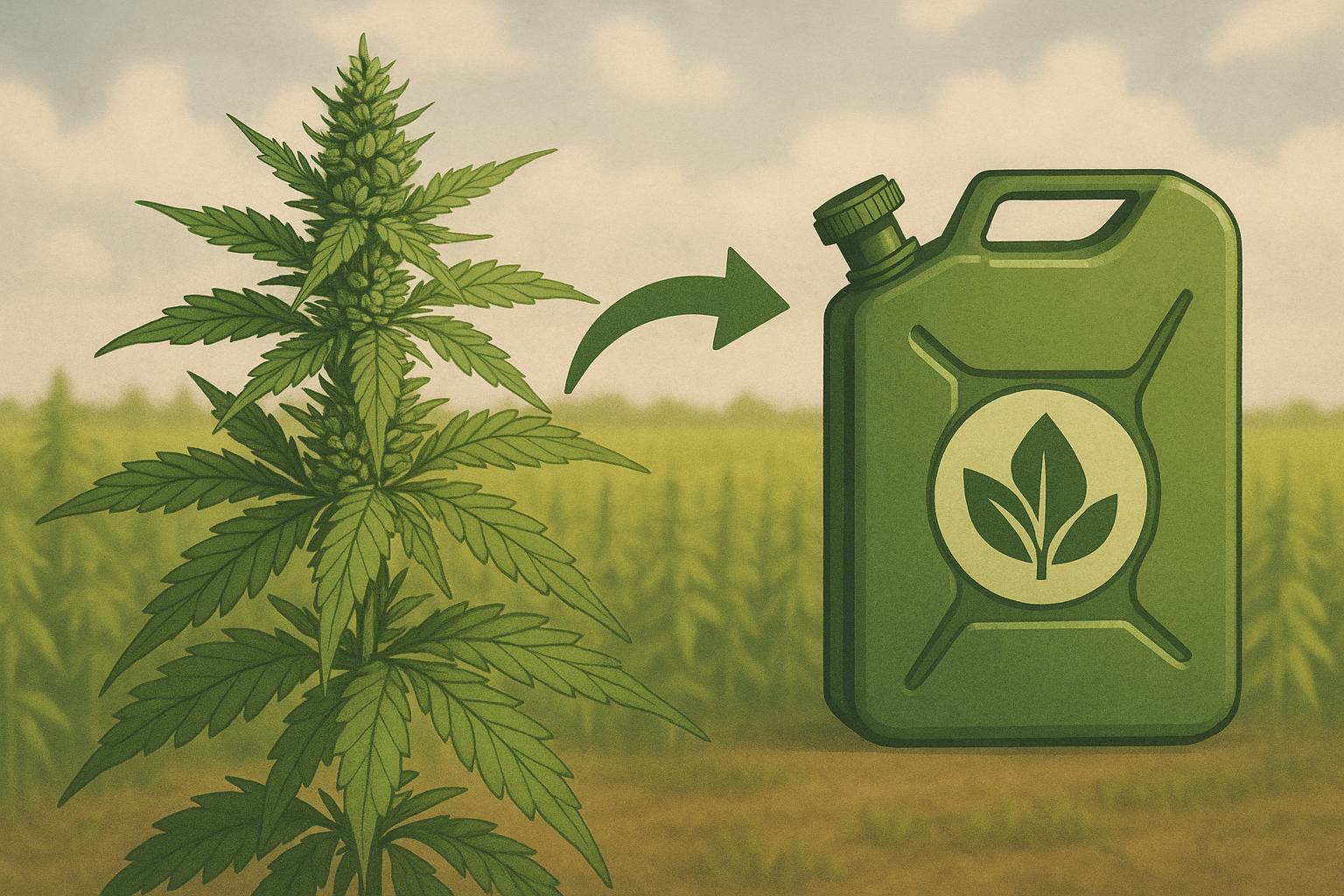
The Potential of Hemp as a Biofuel
The search for sustainable energy sources has led to increased interest in biofuels as an alternative to traditional fossil fuels. Among the diverse sources of biofuels, hemp is gaining attention due to its numerous advantages. This article explores the viability of hemp as a biofuel source.
Overview of Hemp as a Raw Material
Hemp is a fast-growing, hardy plant known for its versatility. It requires minimal pesticides and fertilizers, making it an environmentally friendly crop. The entire plant, from seeds to stalks, can be utilized in various applications, including biofuel production. Beyond biofuels, hemp has historically been used in the production of textiles, paper, and building materials, showcasing its multifunctional nature which further supports its case as a promising crop in modern agricultural practices.
Processes to Derive Biofuel from Hemp
Hemp can be converted into biofuel following several methods, capitalizing on its different components. These processes include:
Biodiesel Production: Hemp seed oil can be chemically processed to produce biodiesel. This involves a chemical reaction known as transesterification, where hemp oil reacts with an alcohol, typically methanol, in the presence of a catalyst to form biodiesel and glycerol. The biodiesel produced from hemp seed oil serves as a renewable, clean-burning replacement for petroleum diesel, adding to its market potential.
Cellulosic Ethanol Production: The fibrous stalk of the hemp plant can be used to produce ethanol. This process involves breaking down the cellulose into sugars using enzymes or acids, followed by fermentation and distillation to produce ethanol. Unlike grain-based ethanol, cellulosic ethanol from hemp utilizes the plant’s fibrous material, which is not a primary food source, thus offering an advantage in not competing with food crops.
Environmental Benefits
Hemp offers several environmental benefits as a biofuel source. Firstly, it is a high-yield crop, producing more biomass per acre than many traditional crops like corn. This high biomass yield means that more biofuel can be produced from a smaller land area, which is advantageous for sustainable agricultural practices. Secondly, during its growth, hemp absorbs significant amounts of carbon dioxide from the atmosphere, which can help mitigate climate change. This characteristic makes hemp a carbon-negative plant, as it sequesters more carbon than it releases when used as fuel.
Additionally, its low requirement for pesticides and fertilization reduces potential pollution in agricultural practices. Conventional crops used for biofuel production often require intensive inputs, which can lead to runoff and create environmental issues such as water pollution. Hemp’s natural resilience means that it can contribute to cleaner agricultural methods and help in maintaining ecological balance.
Economic Considerations
The economic viability of hemp as a biofuel relies on several factors. The cost of production and the yield per acre are crucial determinants. Cost efficiency is a key focus, as the production of biofuels must be economically competitive with fossil fuels to be adopted widely. Advances in agricultural technology and breeding methods may enhance the efficiency and output of hemp crops, potentially lowering production costs. These advances could include developing high-yield hemp varieties and optimizing planting and harvesting techniques.
Government policies and incentives for renewable energy can also play a significant role in the economic landscape for hemp biofuels. Subsidies, tax breaks, and research funding can help reduce the financial risks and encourage investment in hemp-based energy solutions. Moreover, integrating hemp biofuel production into existing agricultural systems could potentially create new revenue streams for farmers and contribute to rural economic development.
Challenges and Limitations
Despite its potential, there are challenges associated with using hemp as a biofuel. Regulatory restrictions on hemp cultivation due to its association with marijuana have historically been a hurdle. Although recent legislative changes in many countries have eased these restrictions, the stigma remains, impacting production and research initiatives.
Additionally, large-scale infrastructure for processing hemp into biofuel is not widely established. Creating a supply chain that includes extraction, conversion, and distribution facilities would require significant capital and time investment. Overcoming these barriers requires a concerted effort from policymakers, industry stakeholders, and researchers, aiming to build a comprehensive strategy that includes regulatory adjustment, public awareness campaigns, and investment in infrastructure development.
Market acceptance is another potential limitation. Established industries for other biofuels such as corn ethanol and biodiesel from soy or palm oil have significant investment and government backing. Transitioning markets and consumer perceptions towards hemp-based biofuels would require effective communication of its benefits and overcoming established economic interests that may resist changes in industry dynamics.
Conclusion
Hemp holds significant promise as a sustainable biofuel source due to its environmental benefits and versatile applications. While there are challenges to be addressed, advancements in technology and supportive policies could enhance its viability as a key player in the transition to renewable energy sources. With ongoing research and development, hemp could play a crucial role in diversifying energy portfolios and contributing to a more sustainable energy future. For more information on hemp as a biofuel, consider exploring resources from the U.S. Department of Energy on bioenergy.