
Introduction to Biofuel from Municipal Waste
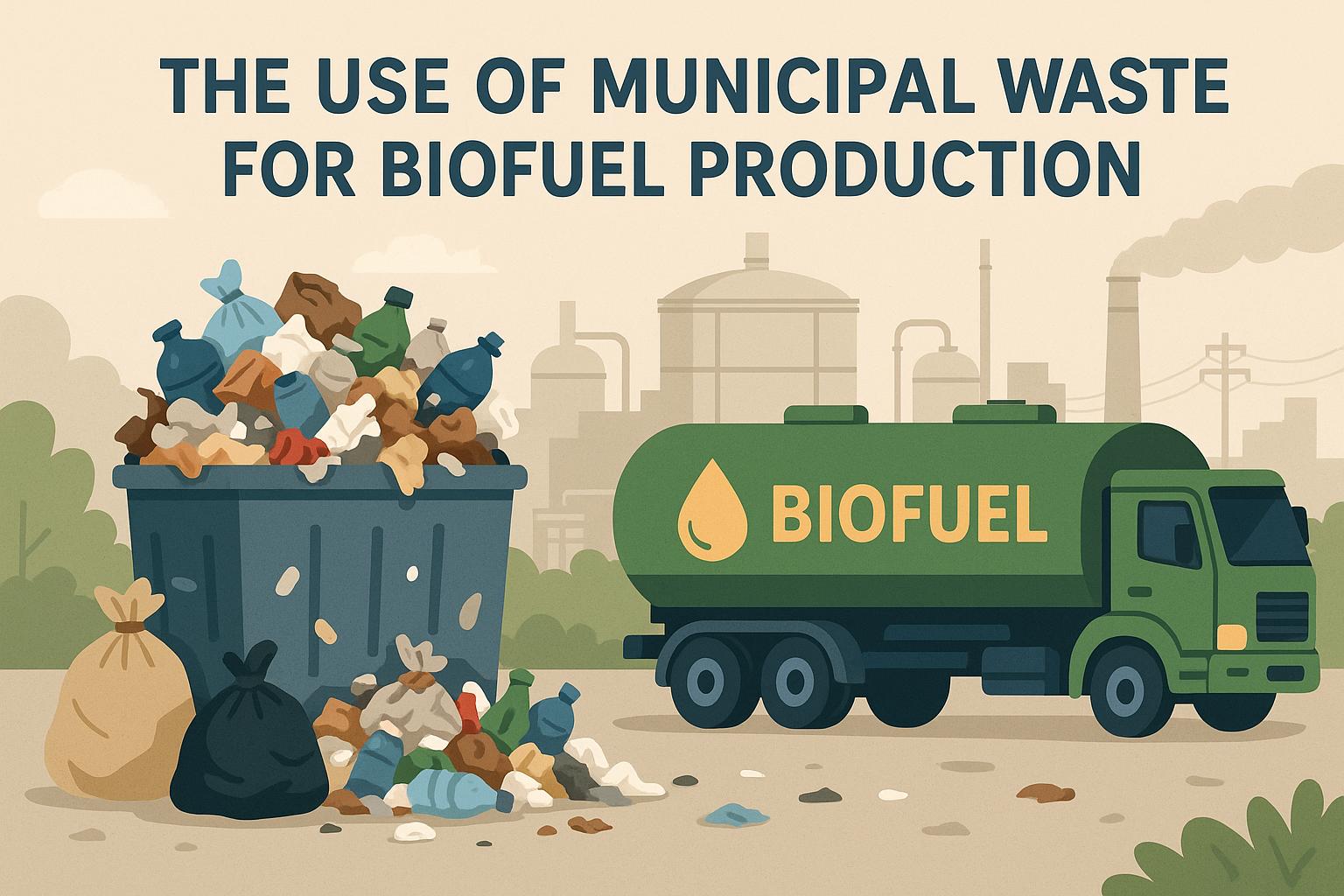
The growing accumulation of municipal waste is a pervasive challenge faced by urban areas globally. At the same time, the demand for renewable energy sources continues to rise as nations aim to lessen their dependency on fossil fuels. At the convergence of these two formidable challenges lies a promising solution: the conversion of municipal waste into biofuel.
What is Municipal Waste?
Municipal waste, often called solid waste, is the collective term for common, everyday items discarded by the public. This category includes varied materials such as household garbage, food scraps, packaging, and yard debris. According to the United Nations, cities across the globe generate a staggering 2 billion tonnes of municipal waste every year. This figure is expected to climb as urban populations expand, highlighting the urgent need for sustainable waste management strategies. For those interested in deeper insights into waste management and reduction initiatives, the United Nations Environment Program provides extensive resources on its website.
The Process of Converting Waste to Biofuel
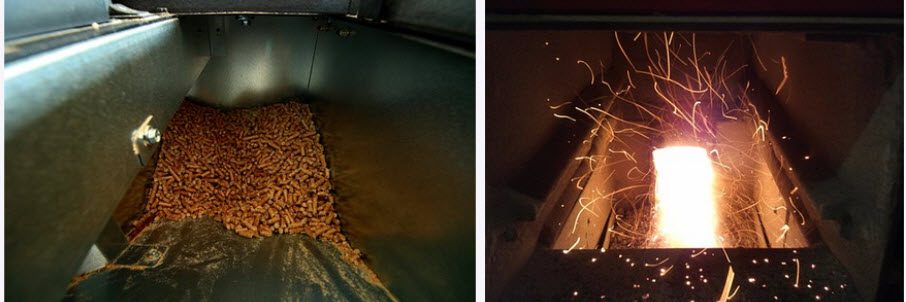
The transformation process of municipal waste into biofuel involves a variety of technologies and methodologies. Biochemical conversion techniques such as anaerobic digestion and fermentation are frequently employed in this transformation. Anaerobic digestion, in particular, relies on microorganisms to break down biodegradable material in an oxygen-deprived environment, resulting in the production of biogas. This biogas is a mixture rich in methane, which can be effectively utilized as fuel. For those interested in exploring more about biogas technology, the International Energy Agency offers comprehensive information.
Another key method is thermochemical conversion, which includes processes such as pyrolysis and gasification. These processes involve the application of heat to organic materials to alter their chemical structures, resulting in the production of synthetic fuels like bio-oil and syngas. Each technology has its unique advantages and limitations, making it crucial to choose the right process based on the specific type of municipal waste and the intended end-use of the biofuel generated.
Advantages of Using Municipal Waste for Biofuel
The use of municipal waste to produce biofuel offers numerous advantages, with sustainability being a primary benefit. By converting waste into biofuel, the volume of waste directed to landfills is significantly reduced, thereby mitigating adverse environmental impacts and contributing to cleaner urban environments. Moreover, this conversion process provides a renewable energy source that can diminish reliance on non-renewable fossil fuels, harmonizing with global climate change mitigation goals.
Furthermore, the process can invigorate local economies by generating employment opportunities within the realms of waste management and biofuel production. It fosters the concept of a circular economy, wherein waste materials are repurposed and reused instead of merely being discarded. By closing the loop, cities can turn a significant environmental challenge into a viable economic and environmental opportunity.
Challenges and Considerations
While there are compelling benefits to converting municipal waste into biofuel, several challenges persist. These challenges include inconsistencies in the quality and quantity of waste available as feedstock. Municipal waste is complex and heterogeneous, which can complicate the processing and conversion to biofuel. Moreover, the initial capital investment required for setting up biofuel production facilities poses a barrier, often necessitating substantial financial resources and infrastructure.
Logistical issues, such as the efficient collection and transportation of municipal waste to biofuel processing centers, also present significant challenges. Furthermore, there is a critical need for comprehensive policy frameworks to foster investment and encourage innovation within this sector. Policymakers and industry stakeholders must collaborate to establish standards and incentives that will promote research, development, and the commercialization of biofuel technologies.
Despite these hurdles, the potential benefits associated with transforming municipal waste into biofuel are substantial. This approach not only provides a solution for managing urban waste but also contributes to a broader strategy for achieving energy sustainability. By addressing the challenges through technological refinement and robust policy support, municipalities can seize this opportunity to tackle two pressing global issues—waste accumulation and energy demand—while fostering responsible resource management and sustainable urban development. Through targeted initiatives and collaboration among governments, industries, and communities, the conversion of municipal waste to biofuel can become a cornerstone in the transition to a more sustainable energy future.