
Introduction to Biofuels and Existing Fuel Infrastructure
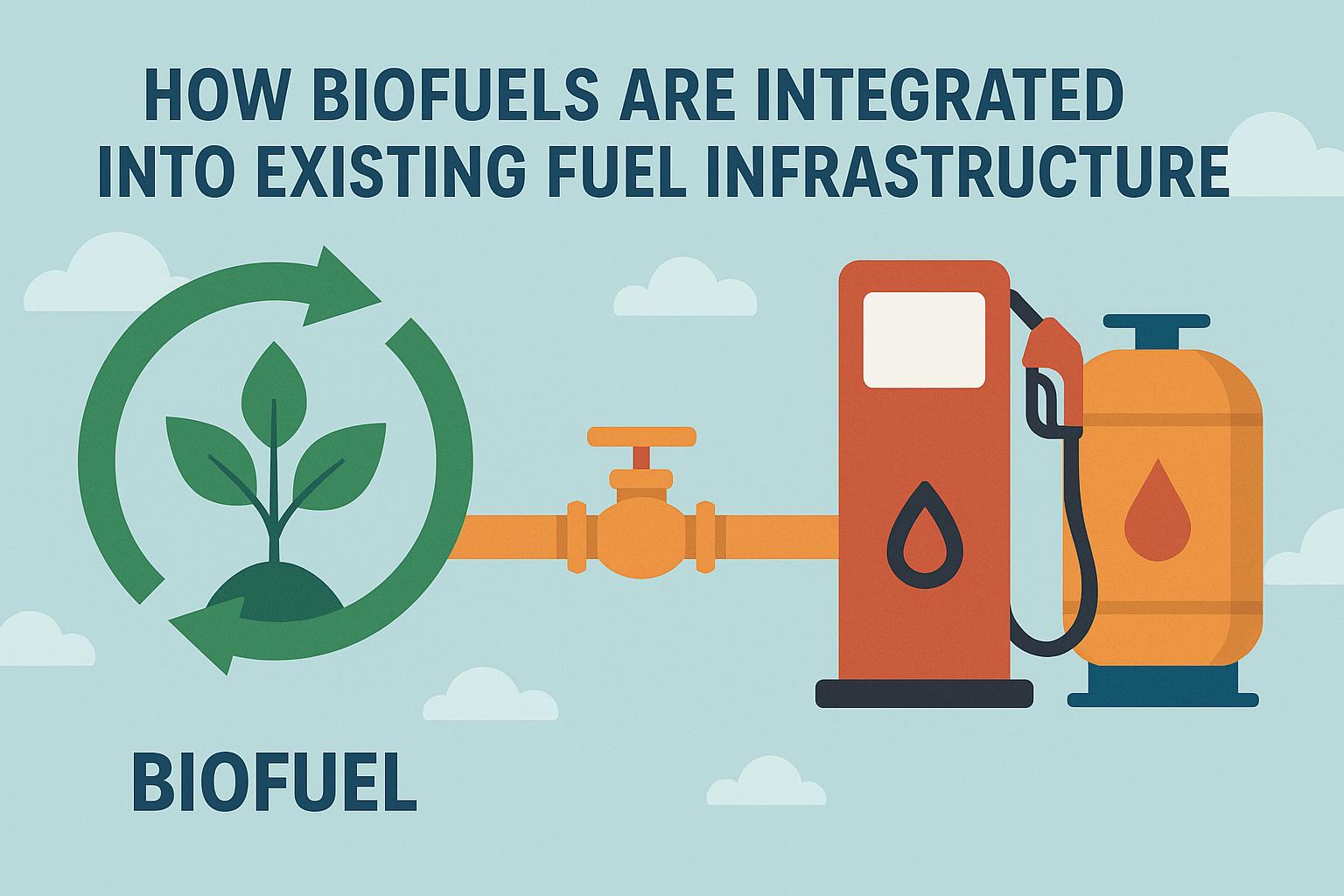
Biofuels, derived from organic materials like plant biomass, are increasingly becoming a key player in the energy sector. They serve as a renewable alternative to traditional fossil fuels. As nations aim to reduce carbon emissions and enhance energy sustainability, there’s a heightened interest in integrating biofuels into the existing fuel infrastructure.
The current global push towards more sustainable energy sources has positioned biofuels at the forefront of renewable energy solutions. As a result, understanding the dynamics between biofuels and existing infrastructure is critical. This discussion explores several facets including the existing fuel infrastructure, biofuel compatibility, necessary modifications to infrastructure, and the policy and economic landscapes that shape this evolving field.
Understanding the Existing Fuel Infrastructure
The global fuel infrastructure is predominantly configured for fossil fuels use. It includes an extensive network of refineries, pipelines, storage tanks, and fueling stations optimized for petroleum-based fuels. These mechanisms, having been refined over decades for efficiency and cost-effectiveness, are now being examined for their ability to adapt to changing energy dynamics brought on by renewable energy demands.
This infrastructure evolution challenges traditional setups to accommodate emerging technologies and fuels like biofuels, which can contribute to reducing the carbon footprint of the energy sector. By understanding the operations and limitations of this existing setup, stakeholders can discern how biofuels can be efficiently integrated.
Compatibility of Biofuels with Existing Systems
Integration hinges on biofuel compatibility with the prevailing infrastructure. In general, conventional vehicles and engines accept low-level biofuel blends, allowing for a smooth transition without requiring immediate, extensive modifications. For instance, the widespread use of E10, a gasoline blend consisting of up to 10% ethanol, exemplifies this compatibility. It is embraced across various countries given its minimal impact on engine performance and emissions.
Conversely, higher ethanol blends, such as E85 (comprising up to 85% ethanol), may necessitate the use of flexible fuel vehicles or modifications to engines to optimize their performance with these blends. Similarly, biodiesel can be mixed with conventional diesel in blends like B20. Such blends can run in most modern diesel engines with minimal need for modifications. This compatibility demonstrates the potential ease with which biofuels can be incorporated into existing systems, provided that certain parameters are maintained.
Infrastructure Modifications and Challenges
Despite these compatibilities, transitioning to higher-level biofuel blends presents infrastructure challenges. For efficient integration, modifications to fueling stations and storage facilities may be necessary. This could include enhanced resistance to the corrosive nature of fuels like ethanol and accommodating different material properties inherent in biofuels.
Additionally, biofuel transportation presents unique challenges. Ethanol, for instance, is prone to absorbing moisture, which can become a contamination issue if transported via traditional petroleum pipelines. This characteristic necessitates its conveyance through dedicated tanker trucks or rail cars designed to handle its specific chemical nature.
Infrastructure upgrades are also essential to manage these challenges adequately. Modifications tend to be resource-intensive, but they are imperative to support the increased use of biofuels with higher concentrations in the blend. Industry stakeholders must identify and address these technical obstacles to ensure smooth integration into the energy sector.
Policy and Economic Considerations
Policy and economic frameworks play a pivotal role in incorporating biofuels into existing infrastructures. Government interventions, in the form of policies and incentives, are crucial for navigating the technical and financial landscape. For example, imposing mandates on biofuel use or providing subsidies for biofuel production can drive market growth and adoption.
Economic incentives are equally vital, offering financial motivations for investments in infrastructure enhancements. These could include upgrading fueling stations to support higher ethanol blends or establishing dedicated biofuel storage and transportation systems. Such policy measures can significantly mitigate the economic risks involved in transitioning towards biofuel-inclusive infrastructures.
However, the effectiveness of these policies depends on their design, implementation, and industry acceptance. Providing clear, consistent, and predictable policy signals is vital to encourage investment and adoption in the sector.
The Future of Biofuels in Energy Infrastructure
The trajectory of biofuels within energy infrastructure significantly hinges on advancements in technology and regulation. Developing more efficient production methods and creating biofuel blends that align closely with existing systems represent key areas of focus. Continued research in these domains can enhance biofuel compatibility and production efficiency, potentially lowering costs and increasing availability.
Moreover, with an increasing emphasis on shifting to low-carbon economies, biofuels are poised to become a critical element. Industry stakeholders including producers, consumers, and policymakers must engage collaboratively to navigate the technical, economic, and policy challenges that lie ahead to realize the full potential of biofuels.
Ongoing collaboration and innovation will dictate the role biofuels will play in the energy landscape. As research continues and technology evolves, biofuels are expected to contribute substantially towards achieving energy sustainability and reducing carbon emissions.
For more information on biofuels and infrastructure, please visit [Renewable Energy Source](https://www.nrel.gov) or [Energy Transition Studies](https://www.iea.org). These resources provide further insights into biofuel technologies and their integration into existing systems.