

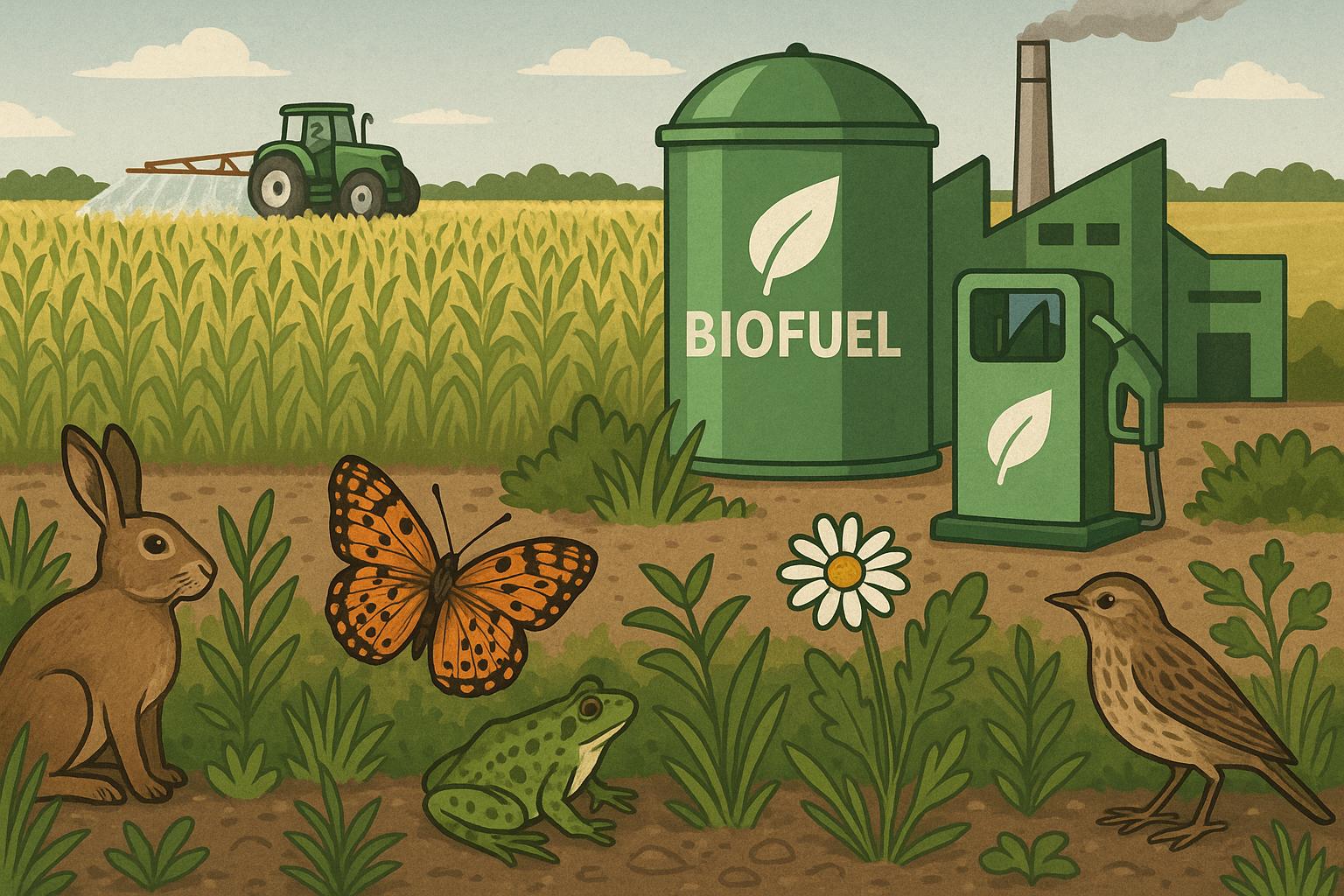
Introduction to Biofuel Production
Biofuels, derived from biological materials, present a renewable alternative to fossil fuels. They are increasingly promoted as a sustainable energy source in light of pressing concerns over climate change and the depletion of fossil fuel reserves. The appeal of biofuels lies in their ability to reduce greenhouse gas emissions and reliance on non-renewable energy sources. However, as the expansion of biofuel production continues, it raises significant questions about its impact on biodiversity and the environment.
Biomaterials used in biofuel production are largely sourced from plants and algae, which absorb carbon dioxide during their growth, potentially offsetting the emissions generated when the biofuel is burned. This cycle suggests a closed carbon loop, offering potential reductions in atmospheric CO2 levels. However, the overall impact of biofuel production is more complex, particularly when examining the effects on ecosystems and biodiversity.
Biofuel Production and Land Use
The implications of biofuel production on land use are profound, with large-scale cultivation of biofuel crops necessitating vast tracts of agricultural land. To create room for these crops, forests, grasslands, and wetlands are often converted, resulting in significant habitat loss. Habitat loss is a principal driver of biodiversity decline, as natural ecosystems are dramatically altered to suit agricultural needs.
When forests and other natural habitats are converted for biofuel production, the displacement of numerous plant and animal species is inevitable. These natural habitats often support a high degree of biodiversity, providing essential ecological functions and services. The alteration of these ecosystems leads to a reduction in biodiversity, as species that cannot adapt or relocate face heightened risks of extinction.
Monocultures and Their Ecological Impact
Biofuel crops, including corn, soy, and sugarcane, are conventionally grown in extensive monocultures. The practice of cultivating a single crop over large areas can significantly impact local ecosystems. Monocultures simplify the habitat, reducing structural complexity and diversity. This can lead to a decline in species that depend on diverse environments for survival.
Large-scale monoculture farming also necessitates increased use of fertilizers and pesticides to maintain crop yields. These agrochemicals can contaminate soil and water resources, posing further threats to local flora and fauna. Fertilizer runoff can lead to nutrient pollution in waterways, causing algal blooms and subsequent declines in aquatic biodiversity. Similarly, the use of pesticides can adversely affect non-target species, including vital pollinators and natural pest predators, destabilizing local ecosystems.
Invasive Species Risk
Certain biofuel crops present additional challenges as potential invasive species. Crops such as jatropha and giant reed are chosen for biofuel production due to their rapid growth and energy yield. However, these plants can spread beyond their intended cultivation areas, outcompeting native species and altering ecosystems.
The introduction and spread of invasive biofuel crops can significantly impact biodiversity by modifying habitat structures and nutrient cycling within ecosystems. These changes can disrupt the balance of local ecological communities, leading to reductions in native species populations and altering ecosystem functions.
Indirect Land Use Change
Indirect land use change (ILUC) arises when biofuel production displaces existing agricultural activities, forcing these activities to move to new locations. For instance, if biofuel crops are prioritized on land previously used for food production, food crops may need to be relocated to conservation lands or other sensitive ecological areas. This relocation can trigger a chain reaction, exacerbating habitat loss and biodiversity degradation in areas not directly involved in biofuel crop production.
ILUC represents an often overlooked aspect of biofuel production’s environmental impact. By displacing agriculture, ILUC shifts pressure onto new areas, potentially leading to further deforestation and habitat fragmentation. This can contribute to additional biodiversity losses, as ecologically important areas are converted to meet agricultural demands.
Strategies for Mitigating Biodiversity Loss
While biofuel production poses significant challenges to biodiversity, various strategies can be adopted to mitigate its negative impacts. Developing biofuels from non-food sources or waste materials is one approach to reducing competition with food crops and minimizing land conversion. Advanced biofuels, derived from lignocellulosic biomass, algae, or agricultural residues, offer promising alternatives that are less likely to adversely affect biodiversity.
Implementing improved land management practices and adhering to sustainability standards are crucial steps toward mitigating biodiversity loss. Establishing buffer zones around biofuel plantations can help protect sensitive ecosystems and wildlife habitats. Promoting agroforestry practices, where trees are integrated with biofuel crops, can enhance habitat complexity and support biodiversity.
Additionally, integrating biodiversity considerations into biofuel policies and planning processes can help ensure that biofuel development is sustainable and minimizes biodiversity impacts. This may involve conducting thorough environmental impact assessments before establishing biofuel projects and prioritizing the protection of ecologically valuable areas.
Conclusion
Biofuel production holds potential as a sustainable energy source, yet it poses significant challenges to biodiversity conservation. The cultivation of biofuel crops can lead to habitat loss, monocultures, and invasive species risks, while indirect land use change can exacerbate biodiversity decline. However, by implementing strategic measures and incorporating sustainable practices, it is possible to strike a balance between biofuel development and biodiversity conservation.
As the global community continues to explore renewable energy options, careful consideration of ecological impacts is essential to ensure a sustainable future for all species. Ultimately, the success of biofuels as an energy solution hinges on their ability to mitigate environmental impacts while contributing to energy security and climate change mitigation. Balancing these priorities will be crucial for sustainable energy development in the coming decades.