

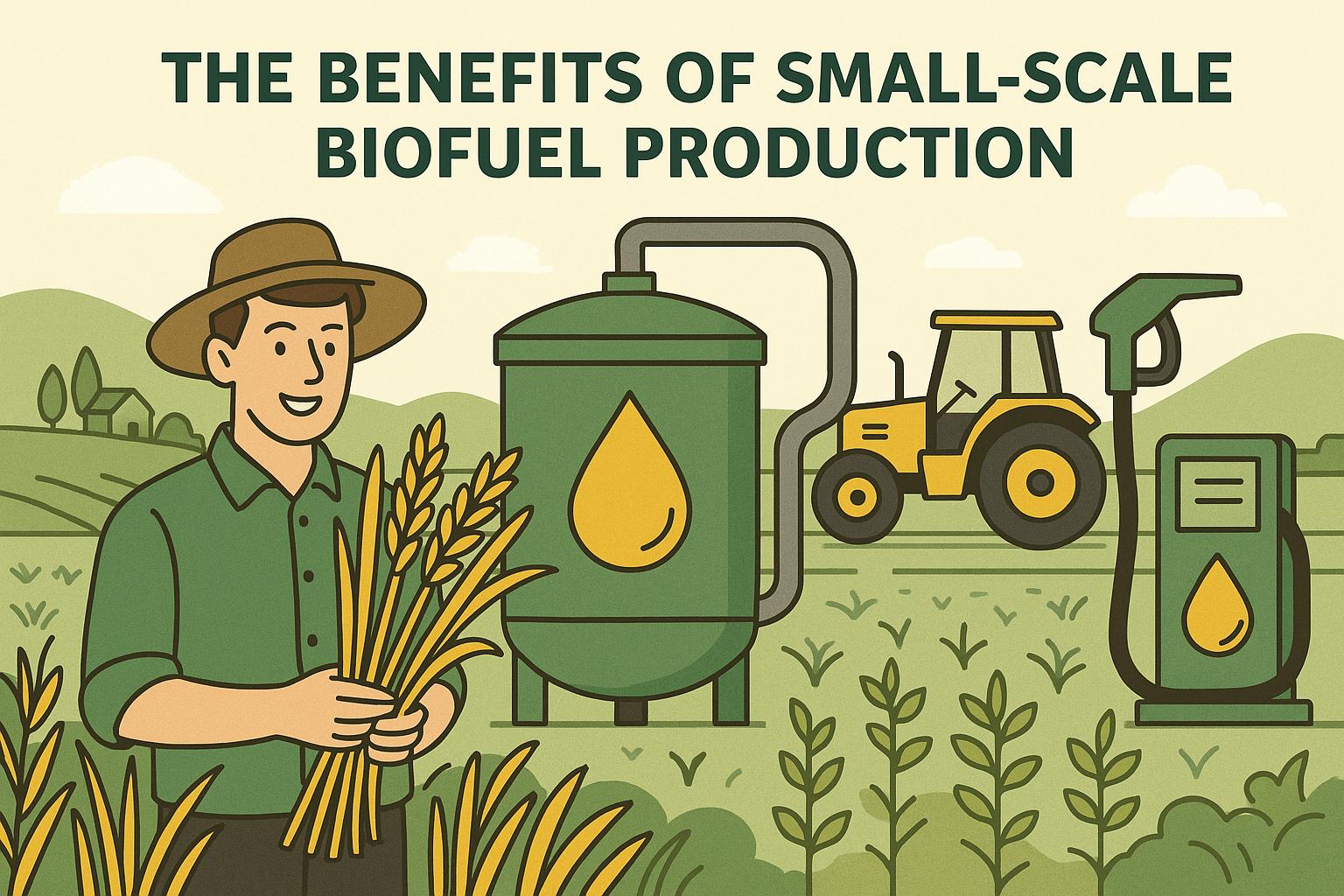
The Viability of Small-Scale Biofuel Production
The growing interest in sustainable energy solutions has placed biofuels prominently in discussions about alternative energy. Small-scale biofuel production embodies an approach that provides multiple benefits aligning with environmental and economic goals. It integrates renewable energy options into local communities, consistently reducing the dependency on fossil fuels.
Environmental Advantages
Reduction in Greenhouse Gas Emissions
Biofuels are primarily sourced from organic materials, such as plants and waste, resulting in significantly fewer greenhouse gas emissions than conventional fossil fuels. This reduction in emissions is one of the key benefits offered by biofuels. As per investigations done by the U.S. Department of Energy, there might be an up to 86% decrease in carbon dioxide emissions when using biofuels. The National Renewable Energy Laboratory provides a wealth of research detailing the potential environmental impacts and benefits, making it evident that biofuels, as an alternative energy source, are highly advantageous for our environment.
Utilization of Waste Products
A distinctive advantage of small-scale biofuel production is its ability to utilize local waste products as feedstock. This not only aids in efficient waste management but also contributes positively to energy production. Through the conversion of waste into energy, landfill contributions can be greatly reduced, leading to more sustainable community practices. By reusing materials that would otherwise contribute to waste, small-scale biofuel production supports a circular economy model.
Economic Impact
Local Economic Development
Small-scale biofuel initiatives can significantly stimulate local economic growth by creating new jobs and ensuring the circulation of energy-related expenditures within the community. Farmers and small business owners stand to benefit from additional revenue streams, thereby fostering broader regional development. Insights from the U.S. Department of Energy shed light on how community-focused energy initiatives can serve to rejuvenate local economies, transforming how communities interact with and benefit from energy resources.
Energy Independence
Another key benefit of small-scale biofuel production is the enhancement of a community’s energy independence, substantially reducing reliance on imported fuels. By ensuring energy is produced locally, these small-scale operations act as a safeguard against the vagaries of global energy markets and pricing dynamics. This stability is especially valuable in remote or rural areas where energy insecurity poses a persistent challenge. Local energy production can shield these areas from the disruptions common in international energy supply chains.
Technological Considerations
Accessible Production Techniques
Technological advancements have significantly lowered the barriers to entry for biofuel production. Today, biofuel production equipment is more affordable and efficient, which democratizes access to renewable energy sources. Comprehensive guides and relevant case studies are available through agencies like the International Energy Agency, which explore various innovations in this space, demonstrating how these advances can empower small communities to embark on biofuel production initiatives independently.
Scalability and Flexibility
Small-scale biofuel systems offer scalability and flexibility, allowing for customized solutions tailored to the specific needs and resources of a region. Communities can adjust production levels based on local demand and biomass availability, ensuring a versatile and tailored approach to energy production. This adaptability is a strong point for communities with varying energy requirements and biomass accessibility. The capacity to scale operations according to current needs reduces waste and maximizes efficiency.
Challenges and Considerations
Supply Chain Management
Effective supply chain management is pivotal to the success of small-scale biofuel production. It involves ensuring a consistent supply of feedstock and optimizing energy distribution. Addressing challenges in supply chain management requires meticulous planning and active collaboration with local stakeholders. Ensuring that these networks are well-established preemptively curtails potential disruptions in the production process and enhances efficiency.
Regulatory Environment
Navigating the regulatory landscape is crucial. Regulations can vary widely by region and can impact the feasibility and operations of small-scale biofuel projects. Staying informed about evolving legislation is essential for producers to maintain compliance and capitalize on the benefits of biofuel production. Regular updates from governmental bodies, along with fostered relationships with regulatory entities, can keep producers abreast of any changes that may affect operations.
Conclusion
In conclusion, small-scale biofuel production represents a compelling opportunity for communities aiming for sustainable and economically beneficial energy solutions. By harnessing local resources and adopting cutting-edge technological developments, small-scale biofuel systems can significantly contribute to the transition toward renewable energy. This not only fosters energy independence and economic improvement but also encourages sustainable practices globally. As research and technology in this field continue to advance, the role of biofuels in energy production is likely to grow, establishing it as a vital component in future energy strategies.