

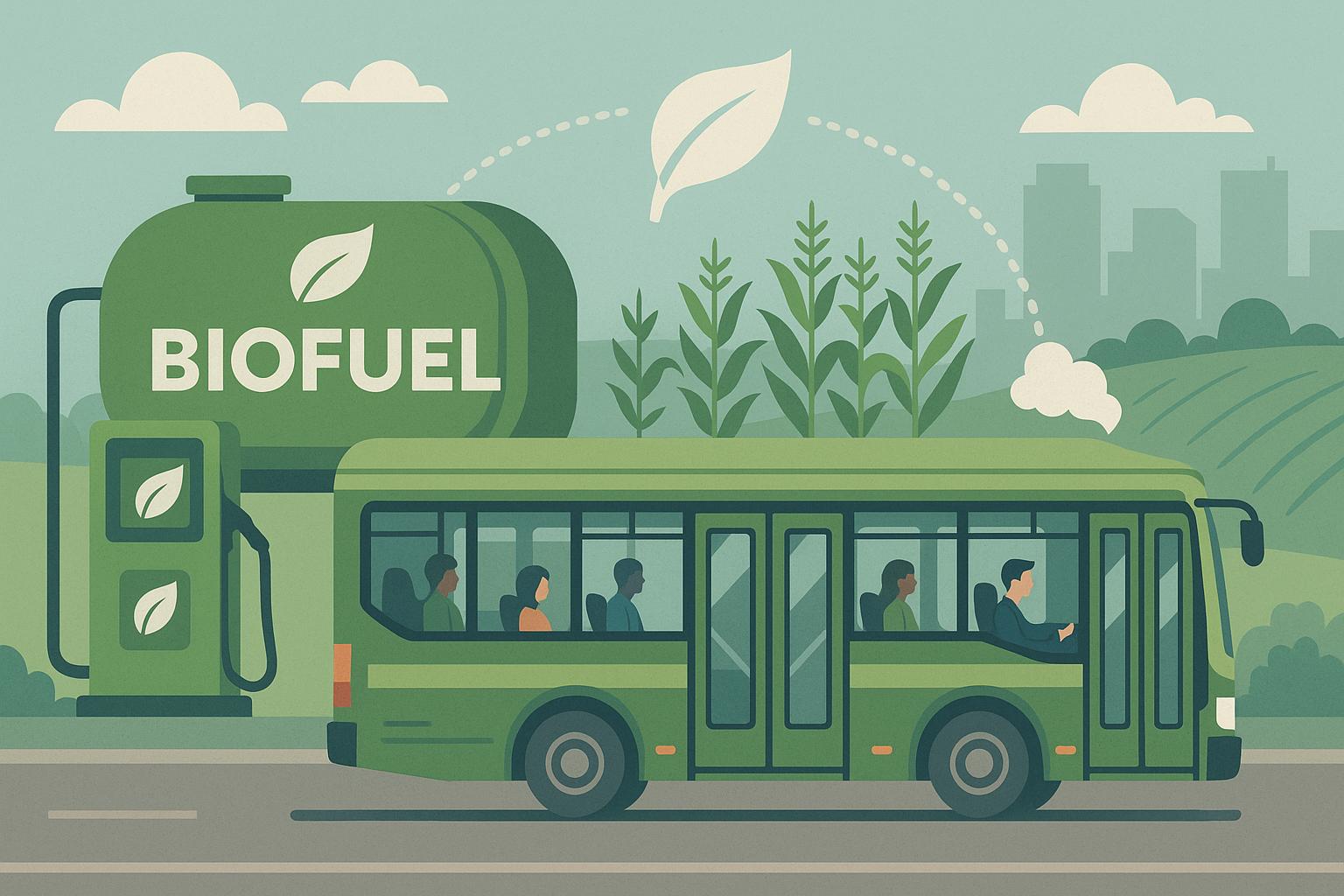
The Role of Biofuels in Decarbonizing Public Transportation
As global efforts intensify to reduce carbon emissions, biofuels have emerged as a potential solution in the realm of public transportation. This sector, which includes buses, trains, and other shared vehicles, is a significant contributor to urban carbon emissions. Transitioning from fossil fuels to biofuels can play a crucial role in achieving environmental goals while maintaining mobility needs.
Understanding Biofuels
Biofuels are derived from biological materials such as plant and animal waste. These fuels can significantly reduce the carbon footprint of vehicles because their lifecycle emissions are generally lower than those of conventional fossil fuels. Common types of biofuels include bioethanol and biodiesel, which are often produced from agricultural crops like corn and soybeans, as well as from other organic materials.
The process of creating biofuels involves converting organic material into energy-dense alternatives to traditional fossil fuels. This transformation is achieved through various methods, depending on the type of biofuel being produced. For example, bioethanol is typically made through the fermentation of sugars found in crops, while biodiesel is created through a process known as transesterification, which involves reacting fats and oils with alcohol.
Types of Biofuels Used in Public Transportation
The most prevalent biofuels in public transportation are biodiesel and bioethanol. Biodiesel can directly replace diesel in engines with little to no modification, making it an accessible alternative for public transit systems. On the other hand, bioethanol is commonly used in combination with conventional gasoline, creating a blend that is environmentally friendlier than regular gasoline.
Moreover, these biofuels provide a transitional solution as they require minimal changes to the existing infrastructure. This ease of integration makes them an attractive option for public transportation agencies looking to reduce their environmental impact while continuing to meet the needs of commuters efficiently. Additionally, given the ongoing improvements in biofuel technologies, the efficiency and cost-effectiveness of these solutions are expected to improve over time.
Advantages of Biofuels
Biofuels offer several advantages in terms of reducing greenhouse gas emissions and reliance on fossil fuels. Since biofuels are produced from renewable resources, they contribute to energy security and sustainability. Additionally, they can help reduce air pollution in urban areas, as their combustion results in fewer pollutants being released into the atmosphere.
One of the critical aspects of biofuels is their potential to create a more sustainable energy cycle. Unlike fossil fuels, which introduce carbon stored beneath the earth’s surface into the atmosphere, biofuels operate within a cycle where the carbon dioxide released during combustion is partially offset by the carbon dioxide absorbed by plants during photosynthesis. This feature makes biofuels a more sustainable choice when evaluated across their entire lifecycle, from production through combustion.
Challenges in Implementing Biofuels
Despite the benefits, there are several challenges associated with the widespread adoption of biofuels in public transportation. One significant issue is the production capacity. The current infrastructure for producing biofuels cannot yet meet the vast energy needs of urban transit systems. There is also a concern about the impact of biofuel production on food supply and prices, as it may require extensive agricultural resources.
Further challenges involve the economic considerations associated with the mass production of biofuels. At present, in many parts of the world, producing biofuels remains more expensive than extracting and refining fossil fuels. Consequently, market dynamics and cost factors play a significant role in hindering the transition to biofuels, despite the environmental benefits they offer.
Technological and Policy Developments
Advancements in technology and supportive government policies are crucial for overcoming these challenges. Innovations in the production of second-generation biofuels, which use waste materials rather than food crops, hold promise in addressing concerns about resource competition. Policy measures such as subsidies and tax incentives can also encourage the transition to biofuels.
Second-generation biofuels promise a significant leap in terms of sustainability, as they utilize non-food biomass, agricultural residues, and waste materials, thus reducing the impact on the food supply. These biofuels represent an area of active research, aiming to improve the yield and efficiency of conversion processes, which would ultimately lead to more cost-competitive and widely available biofuels.
Success Stories and Further Research
Some cities and countries have already begun integrating biofuels into their public transportation fleets. For instance, countries in the European Union and Brazil have made strides in using biofuels to power municipal buses. Further research and investment are vital to scale these efforts and explore new biofuel technologies that could enhance their efficiency and availability.
Brazil serves as a notable example, with its extensive use of ethanol derived from sugarcane as a primary fuel for both private and public transportation. The country’s proactive policy measures and robust research infrastructure have contributed to its success, providing a model for other nations aspiring to expand their use of biofuels in public transit.
Continued efforts are necessary to enhance the viability of biofuels. These efforts include improving the energy output of different biofuel feedstocks, refining the processes involved in their production, and developing advanced technologies that help mitigate any negative environmental impacts associated with large-scale biofuel use.
Conclusion
The role of biofuels in decarbonizing public transportation is both promising and challenging. As urban centers strive to meet sustainability goals, biofuels offer a viable alternative to fossil fuels. However, realizing their full potential will require coordinated efforts in technology, policy, and infrastructure development. For further reading on the topic, you can visit international energy resources that explore the use of renewable energy in transportation.
A strategic approach that includes investment in research and development, policy incentives for clean energy, and international collaboration stands as the path forward. Public transportation systems that embrace biofuels would not only lead the charge toward a greener environment but also set a standard for other sectors to follow in the fight against climate change.