

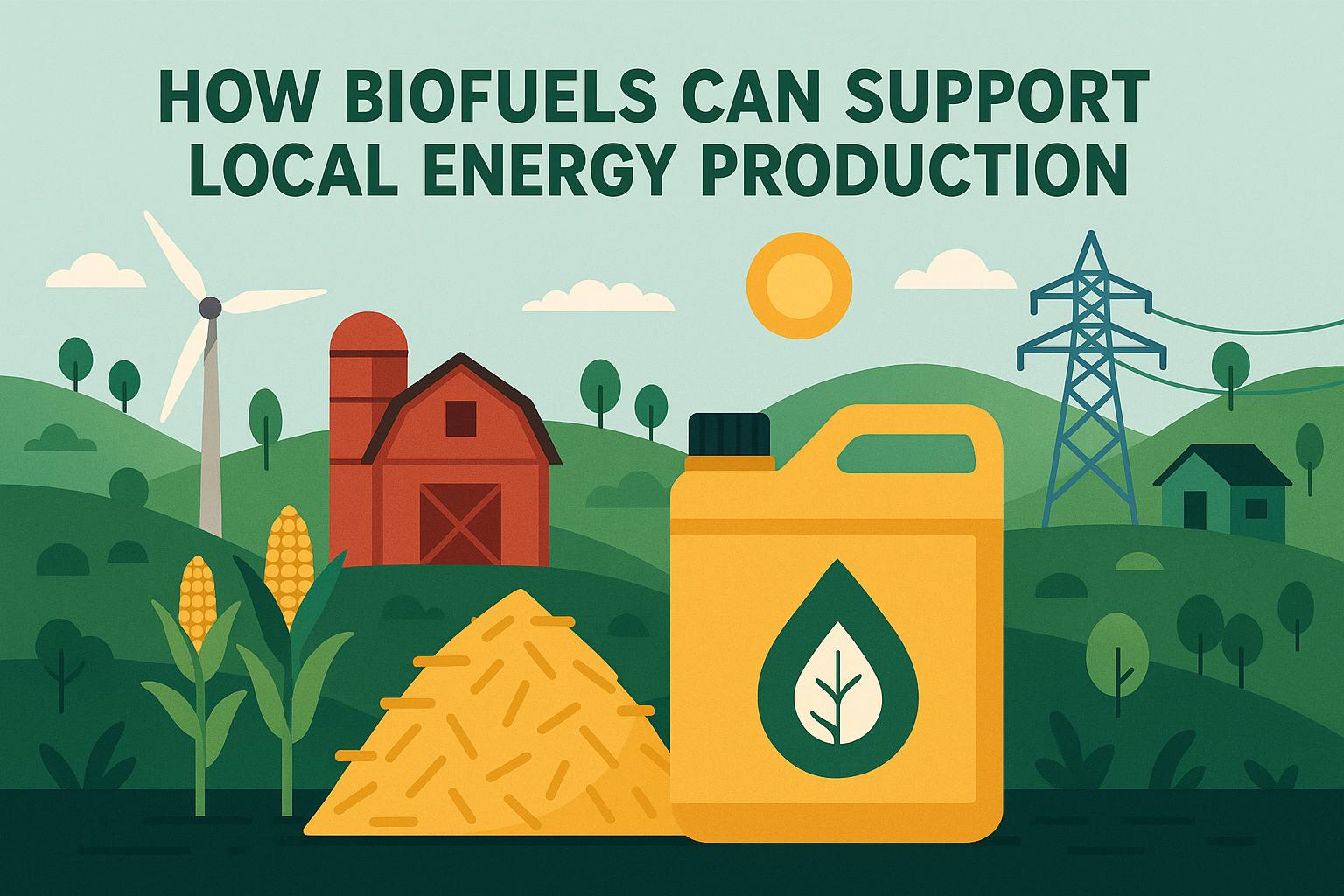
The Role of Biofuels in Local Energy Production
Biofuels, derived from organic materials such as plant and animal waste, play a significant role in supporting local energy production. These renewable energy sources can help communities become more self-reliant and sustainable.
Advantages of Biofuels for Local Energy
One of the primary benefits of biofuels is their ability to reduce dependence on imported fossil fuels. By utilizing locally available resources such as agricultural residues or specially grown energy crops, communities can produce energy within their proximity. This localized production reduces transportation costs and supply chain vulnerabilities, which are inherent in traditional fossil fuel systems.
Economic Impact
The local production of biofuels can boost economic development by creating new jobs in agriculture and energy sectors. Jobs are created in the cultivation, harvesting, processing, and distribution stages of the biofuel production chain. Additionally, the development of this sector can stimulate regional economies and encourage investment in infrastructure and technology. For further insights on biofuels’ economic impact, visit this article.
Environmental Benefits
Biofuels are considered more environmentally friendly than fossil fuels. The carbon dioxide released during their combustion is offset by the carbon dioxide absorbed during the growth of the biomass used to produce them. This creates a more balanced carbon cycle. Furthermore, biofuels can be produced from waste materials, reducing landfill usage and promoting recycling practices.
Energy Security
By diversifying energy sources and increasing energy autonomy, biofuels can enhance local energy security. It minimizes the risks associated with the fluctuations of global energy markets and geopolitical tensions. Local communities can have better control over their energy supply, ensuring steady and uninterrupted access to energy.
Technological and Practical Considerations
While biofuels offer many advantages, there are challenges to their implementation on a local scale. Efficient production methods require advancements in technology and infrastructure investment. The most common biofuels, such as ethanol and biodiesel, need refinement to optimize production while maintaining sustainability and economic viability. Continuing research and development in this field are crucial for overcoming these obstacles.
Sustainability Concerns
It is essential to ensure that biofuel production does not compete with food production. The use of non-food crops or residues can help mitigate this issue. Careful management is necessary to prevent deforestation or monoculture farming, which can lead to biodiversity loss and soil degradation. Sustainable practices and responsible land management are key to balancing biofuel production with environmental conservation.
The Importance of Infrastructure
Implementing biofuel solutions at a local level requires a robust infrastructure. This infrastructure includes facilities for processing biofuels, storage, and distribution networks. Communities must also invest in transportation systems adapted to biofuels, including vehicles compatible with biofuel blends. Governments and local authorities can play a vital role in supporting these initiatives by providing funding, subsidies, and policy frameworks that prioritize renewable energy infrastructure development.
Research and Development
Ongoing investment in research and development is critical to advancing the biofuel industry. Scientists and engineers are continually exploring innovative ways to improve the efficiency of biofuel production. This research includes the development of more sustainable feedstock, better processing techniques, and the enhancement of biofuel energy output. Collaborative efforts between universities, research institutions, and the private sector can accelerate technological advancements in biofuel technology.
Community Involvement and Awareness
The success of biofuel initiatives hinges on community involvement and awareness. Educating local populations about the benefits and potential of biofuels can foster acceptance and support for these projects. Local government, educational institutions, and environmental organizations can launch awareness campaigns to inform citizens about sustainable energy practices. By involving community members in the planning and implementation processes, local authorities can ensure that biofuel projects align with the needs and values of the community.
Policy and Regulation
Supportive policy frameworks and regulations are essential for facilitating the growth of biofuel production at a local level. Policymakers can introduce incentives for businesses and individuals to invest in biofuel technologies. These incentives may include tax breaks, grants, or low-interest loans for developing biofuel infrastructure. Additionally, enacting regulations that promote environmental protection and sustainable practices can help ensure that biofuel production remains responsible and beneficial.
Balancing Energy Needs
Integrating biofuels into local energy systems requires a careful balance of energy needs. Communities must assess their energy demands and determine how biofuels can complement existing energy sources. In some cases, a hybrid energy system combining biofuels with solar, wind, or other renewable sources may be the most effective solution. This approach can enhance energy resilience and reliability, ensuring that local areas have a consistent and sustainable energy supply.
Conclusion
Biofuels present a promising avenue for supporting local energy production. They offer economic, environmental, and security benefits, contributing to a more sustainable and self-sufficient energy system. While challenges remain, continued investment in technology and sustainable practices can unlock the full potential of biofuels for local communities. As research progresses and infrastructure improves, biofuels can become an indispensable element of local energy strategies, fostering greater independence and resilience in the face of global energy uncertainties. For more information about sustainable biofuel practices, consider exploring this resource.