

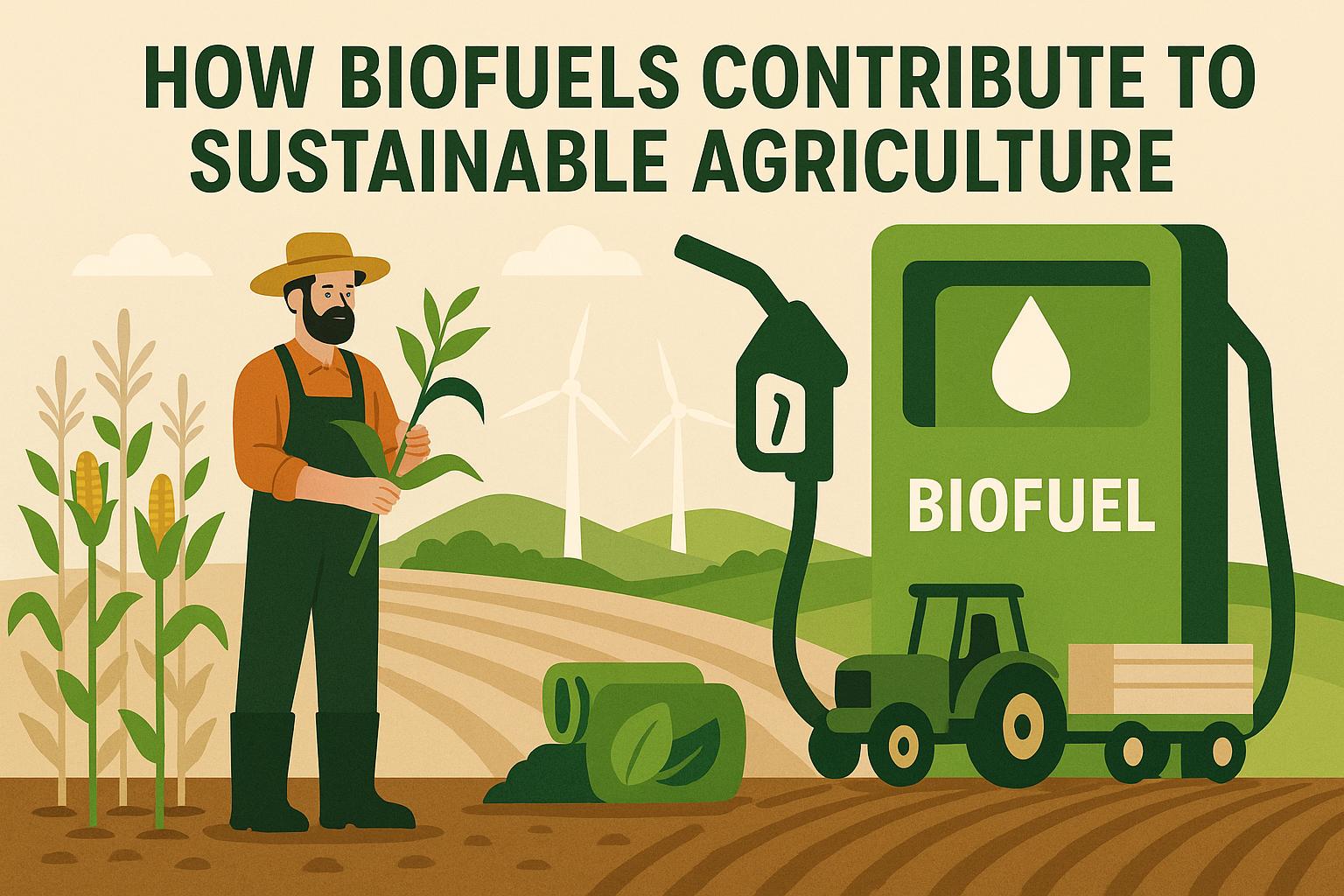
Understanding Biofuels in the Context of Sustainable Agriculture
The quest for sustainable agriculture encompasses a range of innovative practices and technologies, among which biofuels have emerged as a significant player. As renewable energy sources derived from organic materials, including plants and animal waste, biofuels offer promising avenues for reducing dependency on fossil fuels. Their incorporation into agricultural practices supports the overarching goal of achieving sustainability.
Biofuels: A Renewable Energy Source
Biofuels, as renewable energy options, are categorized into three generations based on their sources and production processes. First-generation biofuels originate primarily from food crops such as corn and sugarcane. These crops undergo fermentation processes to produce ethanol, a widely used biofuel. In contrast, second-generation biofuels are derived from non-food biomass, including lignocellulosic materials like wood, grass, and agricultural residues. This category aims to utilize agricultural byproducts and waste materials without encroaching on food resources. Furthermore, third-generation biofuels focus on the utilization of algae and other fast-growing biomass. This approach seeks to maximize efficiency and minimize environmental impact. Collectively, these biofuels provide farmers with alternative energy sources that are renewable and less damaging to the environment compared to conventional fossil fuels.
Reducing Carbon Footprint
One of the principal advantages of incorporating biofuels into sustainable agriculture is the potential to significantly reduce the carbon footprint. Although biofuels, when burned, release carbon dioxide, the plants used in their production absorb CO2 during their growth phases. This cycle renders biofuels carbon-neutral over their lifecycle. The carbon-neutrality aspect is a critical component of sustainable agriculture, as it directly addresses the reduction of greenhouse gas emissions, which stand as a fundamental goal in sustainable farming practices.
Enhancing Energy Security
The utilization of biofuels within agricultural contexts offers a potential boost to energy security. Farmers who either produce biofuels on-site or source them locally can reduce their dependency on external energy supplies. This reduction in reliance has several benefits: it cuts costs related to fuel transportation and enhances the resilience of agricultural operations. Consequently, the establishment and expansion of local biofuel industries have the potential to stimulate economic growth in rural communities, contributing to broader economic stability.
Encouraging Biodiverse Farming Practices
Biofuel production can be a catalyst for fostering biodiversity within farming practices. The cultivation of a range of crops, such as switchgrass and miscanthus, for biofuels contributes to ecosystem diversity, a cornerstone of sustainable agriculture. Diverse planting strategies can aid in natural pest and disease control mechanisms, potentially reducing the reliance on chemical inputs that might otherwise harm both soil health and the broader environment. This integration of diverse crops not only supports biofuel production but also enhances soil fertility and ecosystem resilience.
While biofuels hold significant promise for advancing sustainable agriculture, careful management is imperative to navigate potential challenges. A key consideration is the balance between food crops and energy crops; competition between these resources must be minimized to avert possible food supply issues. Additionally, ongoing research and technological advancements are crucial to enhancing the efficiency and sustainability of biofuel production processes. By leveraging advancements in agricultural science and renewable energy technologies, the integration of biofuels can be optimized to benefit sustainable agriculture more widely.
For a more comprehensive understanding of biofuels and their role in sustainable agriculture, a wealth of information can be accessed through academic and industry-specific research papers, as well as resources available from authorities in the fields of agriculture and renewable energy. These sources offer deeper insights into how biofuel technologies can be harmoniously integrated into agricultural practices to support sustainability goals.