

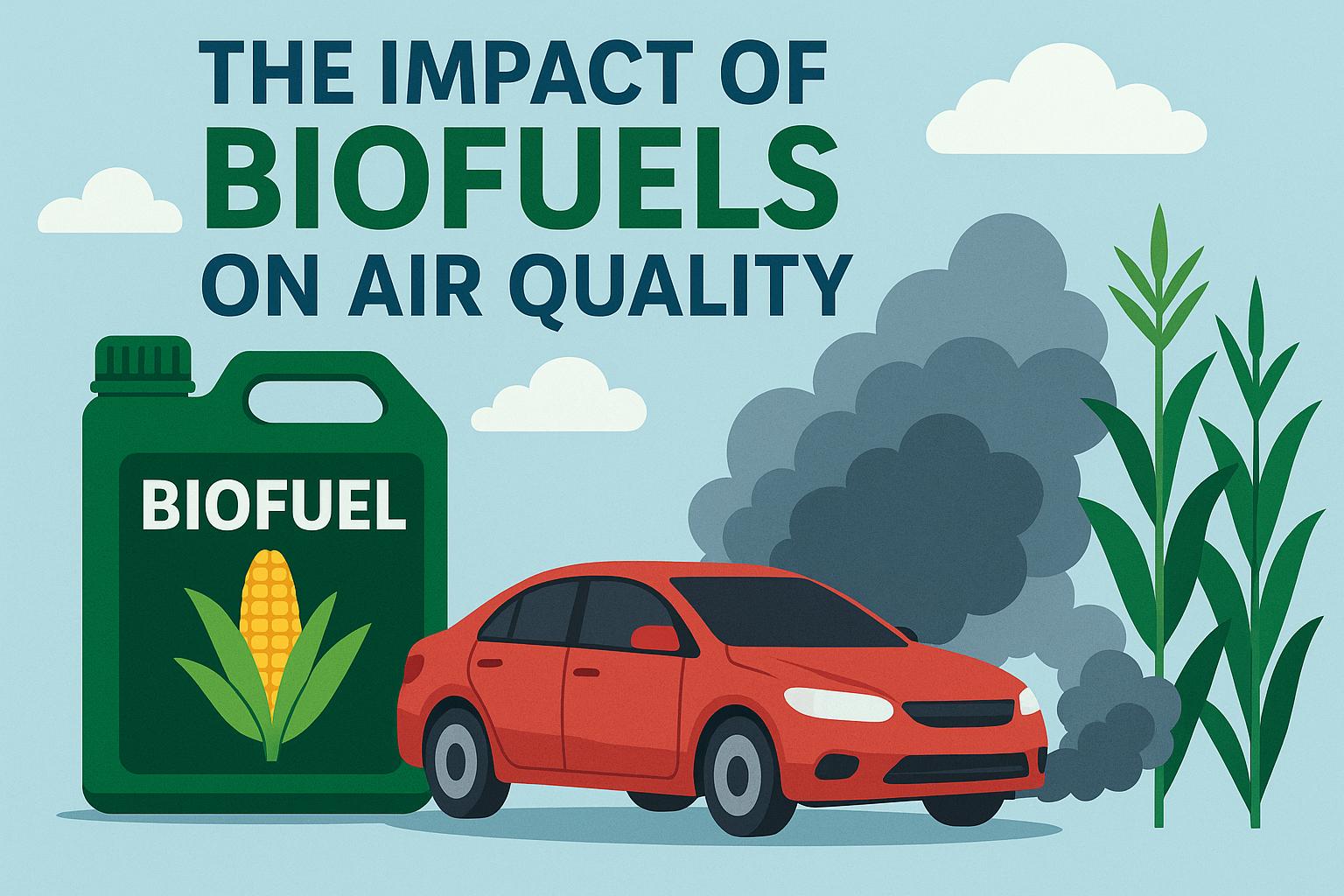
The Impact of Biofuels on Air Quality
Biofuels, derived from organic material, have been considered as an alternative to fossil fuels primarily due to their potential to reduce greenhouse gas emissions. However, understanding their impact on air quality involves delving into a complex and multifaceted situation that goes beyond just carbon emissions. This article aims to explore how biofuels influence air quality and the various factors that have a bearing on these effects.
Emission Characteristics of Biofuels
Biofuels, which include bioethanol and biodiesel, usually emit fewer carbon emissions than conventional fossil fuels. For example, when burned, bioethanol and biodiesel result in lower carbon dioxide (CO2) emissions. This represents a significant potential benefit in the fight against climate change, as it aids in mitigating the greenhouse effect that contributes to global warming. Additionally, in particular scenarios, biofuels can achieve a reduction in sulfur dioxide (SO2) emissions. SO2 is notably linked with the burning of coal and oil and acts as a contributor to air pollution. Thus, biofuels might offer a cleaner alternative to traditional energy sources.
Impact on Particulate Matter and Other Pollutants
On one hand, biofuels may reduce certain emissions, but they also possess the potential to contribute to others. Burning biofuels can often lead to increased emissions of nitrogen oxides (NOx) and particulate matter (PM). Both of these emissions can be detrimental to human health. NOx emissions play a role in forming ground-level ozone, a primary component of smog. This can have adverse impacts on respiratory health and exacerbate conditions such as asthma. Additionally, higher levels of PM can lead to more severe respiratory and cardiovascular problems, indicating that the health implications of biofuel emissions could potentially offset some of their environmental benefits.
Regional and Feedstock Variability
The effect of biofuels on air quality is not uniform and can differ substantially depending on the feedstock employed in their production and the geographical region in which they are cultivated and consumed. For example, various feedstocks can include corn, sugarcane, soybeans, and palm oil, each having its own set of emissions profiles. The agricultural practices used for growing biofuel feedstocks can further influence air quality. Fertilizers and pesticides deployed in feedstock cultivation may release additional pollutants into the air, contributing to decreased air quality and potential health risks. Furthermore, in regions where agriculture plays a central role in energy production, the air quality impacts might diverge from areas that depend on alternative energy sources.
Advancements and Regulatory Measures
The field of biofuels is constantly evolving due to ongoing scientific research and technological enhancements aimed at boosting both the efficiency and environmental performance of biofuels. Implementing strategies like optimizing combustion engines and developing more efficient feedstocks presents opportunities to address negative impacts on air quality. For instance, the adoption of second and third-generation biofuels—which use non-food biomass or algae—can potentially offer reduced emissions compared to first-generation biofuels.
In addition to technological advancements, government regulations and international standards are critical in controlling emissions associated with biofuels. Such standards are crucial for ensuring that biofuel production and consumption adhere to rigorous environmental criteria. There are ongoing efforts to establish emission standards intended to minimize NOx and PM emissions from the combustion of biofuels. This effort is aligned with global objectives to promote cleaner air quality and safeguard public health.
In conclusion, the nuanced and complex impact of biofuels on air quality necessitates a thorough exploration of the specific types of biofuels used, the regional factors that come into play, and the role of emerging technologies. While the reduction of carbon emissions remains one of the significant advantages of biofuels, it is essential to balance these benefits against potential drawbacks like increased emissions of NOx and PM. This balanced approach allows for the sustainable utilization of biofuels to improve air quality while recognizing and mitigating the potential health and environmental risks associated with their use.