

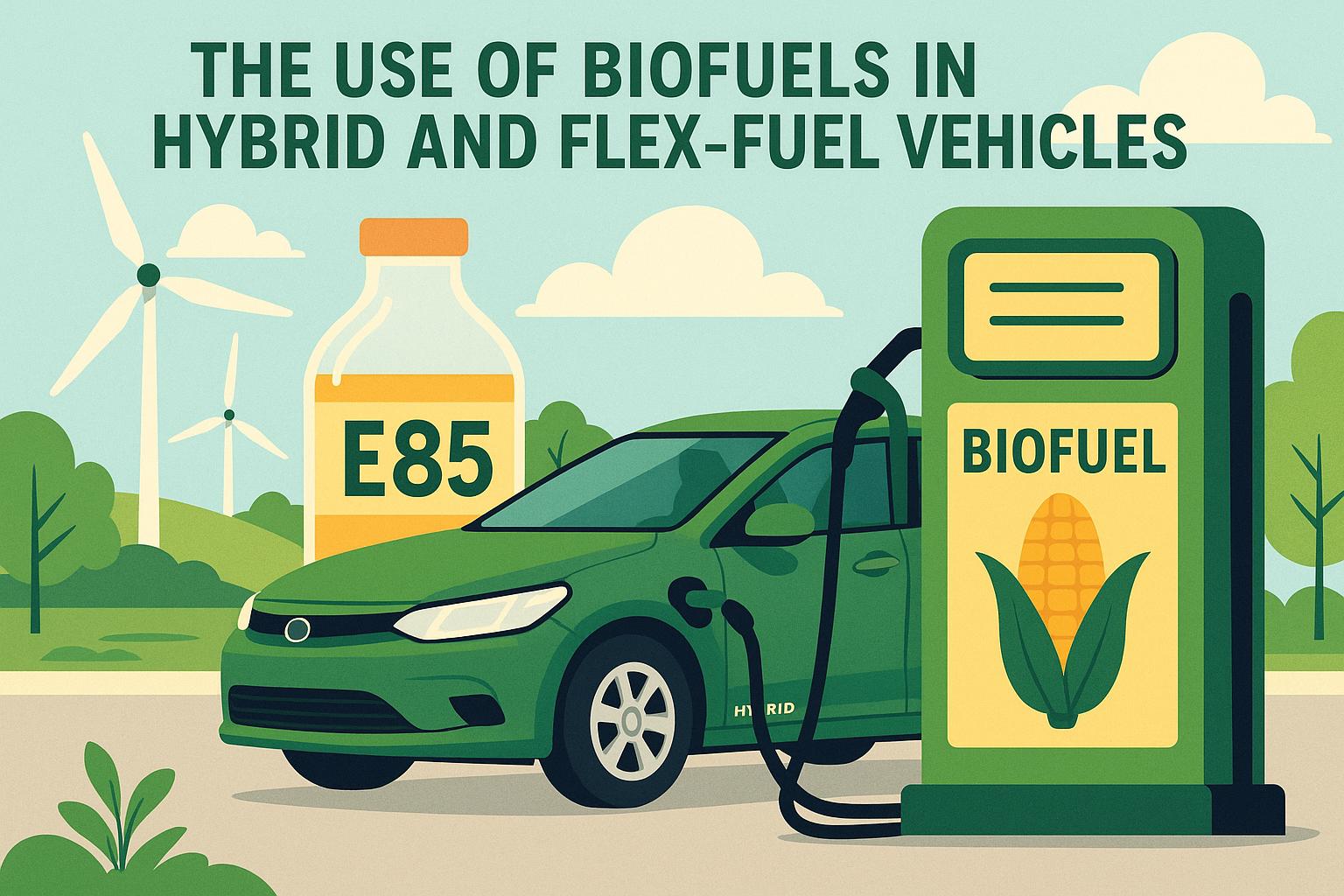
The Role of Biofuels in Hybrid and Flex-Fuel Vehicles
Biofuels have gained considerable attention as society increasingly seeks sustainable energy solutions. In recent years, the potential for biofuels in hybrid and flex-fuel vehicles has emerged as an exciting path towards reducing the long-standing dependence on fossil fuels. This transition also holds promise for significantly decreasing greenhouse gas emissions. By leveraging the dual capabilities of hybrid vehicles—combining internal combustion engines with electric motors—fuel efficiency can be enhanced. On the other hand, flex-fuel vehicles, with their ability to operate on gasoline, biofuel, or blends of both, signal the adaptability of biofuels in contemporary transportation.
Understanding Biofuels
Biofuels are fuels produced from renewable biological resources, which include organic materials derived from plants and other agricultural sources. The primary types of biofuels that are utilized in the transportation sector include ethanol and biodiesel.
Ethanol is typically produced from crops such as corn or sugarcane. It can be mixed with gasoline in various concentrations to power vehicles. The application of ethanol as a biofuel is prevalent due to its moderate adjustment requirement for combustion engines.
Biodiesel, another significant biofuel, is manufactured from oils and fats, often obtained from soybeans or waste cooking oil. It is suitable for use in diesel engines with little or no modification and is lauded for its ability to reduce emissions of pollutants like soot and carbon monoxide.
Advantages of Biofuels
Biofuels offer numerous benefits that underscore their potential to transform the energy landscape:
– Reduction of Greenhouse Gas Emissions: When combusted, biofuels tend to emit fewer greenhouse gases compared to conventional fossil fuels. This characteristic aligns them with global efforts to address climate change.
– Renewable Nature: Since biofuels are produced from organic materials that can be regrown within short timescales, they are considered renewable. This represents a stark contrast to the depleting reserves of fossil fuels that have fueled industrial progress over the past few centuries.
– Support for Agricultural Economies: The production of biofuels stimulates additional demand for crops such as corn and soybeans, thereby bolstering agricultural economies. This development opens up new revenue streams for farmers and supports rural economic growth.
Integration in Hybrid and Flex-Fuel Vehicles
The integration of biofuels into hybrid and flex-fuel vehicles is an intricate yet rewarding endeavor:
Hybrid vehicles, through their inclusion of both internal combustion engines and electric motors, stand to benefit from the inclusion of biofuels. The use of biofuel blends can potentially increase the vehicles’ overall fuel efficiency and further diminish emission levels. However, blending biofuels with traditional fuels requires careful consideration of vehicle technology compatibility and performance issues.
Flex-fuel vehicles embody the diversity and flexibility that biofuels offer. These vehicles are engineered to run on different mixtures of ethanol and gasoline, providing consumers with the liberty to choose from a spectrum of fueling options based on availability and cost considerations. Flex-fuel vehicles illustrate the path forward where traditional and sustainable fuel choices coexist seamlessly.
Challenges and Future Prospects
While the promise of biofuels is evident, the pathway to their widespread adoption is fraught with several challenges:
– Cost of Production: As of today, the financial outlay associated with producing biofuels is relatively high when compared to fossil fuel alternatives. This economic aspect could hinder their competitive edge unless breakthroughs in production technology or economies of scale are achieved.
– Infrastructure Demands: Achieving large-scale biofuel adoption will necessitate substantial investments in infrastructure. This includes building new bio-refineries, expanding distribution networks, and ensuring that fuel stations can accommodate biofuel options.
– Land-use and Food Security Concerns: The production of biofuels requires arable land, which can sometimes conflict with agricultural areas dedicated to food production. This intertwining of biofuel production with food security issues prompts debates about the best applications of resources to meet both energy and nutritional needs sustainably.
For further exploration of how biofuels can be an integral part of future automotive strategies and to understand their nuanced environmental impacts, exploring detailed reports from reputable organizations like the International Energy Agency and the Alternative Fuels Data Center is recommended.
In summation, biofuels offer a pathway towards enhanced sustainability within the realm of hybrid and flex-fuel vehicles. They stand poised to significantly contribute to global climate change mitigation efforts. Nonetheless, the path forward requires cautious navigation of economic factors and careful examination of potential environmental consequences as the biofuel industry evolves.