

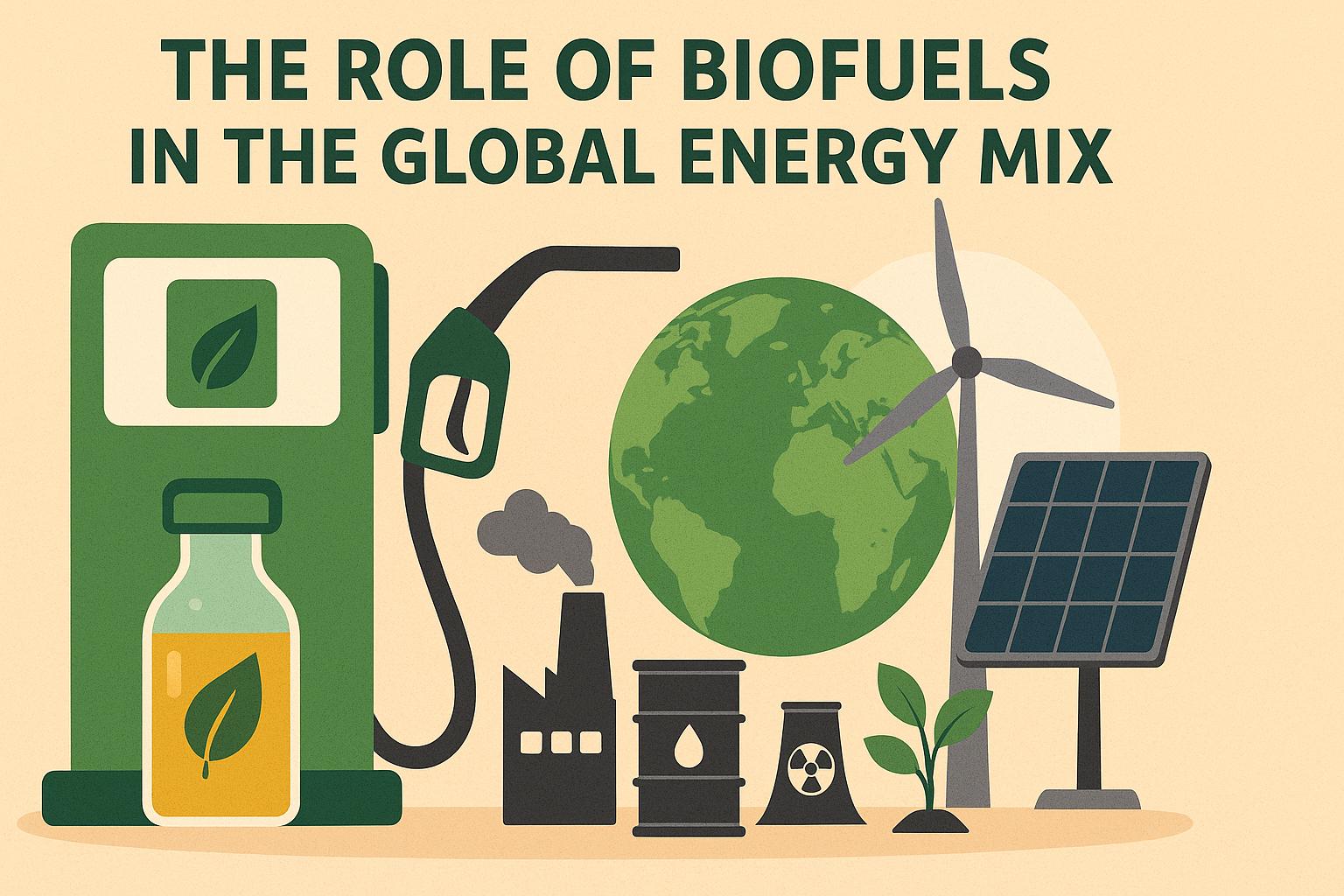
The Role of Biofuels in the Global Energy Mix
Biofuels have emerged as a significant component of the energy landscape, providing a sustainable alternative to fossil fuels. Derived from organic materials, biofuels are heralded for their potential to reduce greenhouse gas emissions and their role in energy diversification. This article dissects their position within the global energy mix, examining their advantages, challenges, and future prospects.
Understanding Biofuels
Biofuels are created from biomass, which includes plant materials and animal waste. The primary types are bioethanol and biodiesel. Bioethanol is typically produced from crops like corn and sugarcane, while biodiesel is derived from vegetable oils and animal fats. Their renewable nature makes them an attractive option as countries seek to move away from non-renewable energy sources.
Advantages of Biofuels
One of the main advantages of biofuels is their carbon neutrality. This means that the carbon dioxide they emit when burned is offset by the carbon dioxide absorbed by the plants during their growth, leading to a reduced net impact on atmospheric carbon levels. Additionally, biofuels can enhance energy security by diversifying the energy supply and reducing dependence on imported oil. This is particularly crucial for countries seeking to bolster their energy independence.
Apart from their contributions to energy security, biofuels offer economic benefits. The production and distribution of biofuels can stimulate rural development by creating jobs in agriculture and industry. Economic activity is spurred not only through the farming of biofuel crops but also through the infrastructure needed for biofuel refineries. The growth of the biofuels industry can thus drive economic growth and development, particularly in rural areas.
Furthermore, biofuels can be blended with traditional fuels in existing engines with little or no modification, facilitating their adoption. This compatibility is important for reducing the barrier to entry for alternative fuels in transportation, where infrastructure and vehicle compatibility are significant concerns.
Challenges Facing Biofuel Adoption
Despite their advantages, biofuels face several challenges. The most significant is the competition for land. Large-scale biofuel production can lead to deforestation and biodiversity loss, as well as conflict with food production. The use of crops like corn for biofuel can drive up food prices and create food security issues. Additionally, the energy input required to produce biofuels can sometimes outweigh the energy they provide, undermining their sustainability benefits.
The environmental benefits claimed by biofuels can be offset when the entire lifecycle of biofuel production is considered. This includes soil degradation, water use, and the carbon emissions associated with growing, harvesting, and transporting the biomass. The production process is complex and energy-intensive, which can sometimes diminish expected environmental advantages.
Technological Improvements
To address these challenges, research is being directed toward the development of second-generation biofuels produced from non-food crops and waste materials. These technologies aim to improve the energy balance of biofuels and reduce their environmental footprint. Innovations such as algae-based biofuels and cellulosic ethanol hold promise for enhancing the sustainability of biofuels.
Algae-based biofuels, for instance, utilize microorganisms that can be cultivated in a variety of environments and have a much higher yield potential per acre than traditional biofuel crops. Algae can be grown using land and water unsuitable for food production, averting the food-versus-fuel conflict. Cellulosic ethanol, derived from the fibrous part of plant materials, uses agricultural residues and waste wood, thus reducing the impact on food resources.
These technological advancements focus on increasing the efficiency of biofuel production while minimizing environmental costs. They could potentially overcome the limitations that have hindered broader adoption and provide a more sustainable model for future growth.
Biofuels in the Global Energy Mix
The share of biofuels in the global energy mix is still relatively modest compared to traditional energy sources. However, their contribution is growing, particularly in the transportation sector. According to the International Energy Agency (IEA Bioenergy), biofuels accounted for around 3% of the global transport fuel demand as of recent assessments.
Biofuels have predominately found their application in the transportation sector because of their easy integration with existing fuel infrastructure. Countries like Brazil and the United States have made significant strides in adopting bioethanol, owing to their large-scale corn and sugarcane agriculture, which supports bioethanol production. The European Union has focused on biodiesel, leveraging its agricultural byproducts and waste oils.
Future Prospects
The future of biofuels is intertwined with policy decisions, technological advancements, and societal attitudes toward sustainable energy. Governments play a crucial role in shaping the biofuel industry through incentives, subsidies, and regulations that encourage research and adoption. As the global community continues to seek sustainable energy solutions, biofuels will likely remain a key area of exploration and development in the quest to reduce carbon emissions and achieve energy security.
Policy frameworks that support biofuel innovation and adoption can drive significant changes in the market. International collaborations and agreements could be pivotal in harmonizing standards and promoting the widespread utilization of biofuels. Equity in energy consumption can be promoted by ensuring that developing nations have access to the technology and resources needed to produce and use biofuels efficiently.
Technological trajectories suggest that biofuels could evolve to become a more primary energy source as their production becomes increasingly efficient. Research and development in biotechnology and agricultural processes will play a critical role in lessening the ecological impact of biofuels while enhancing their economic viability.
In conclusion, while biofuels present an enticing opportunity for sustainable energy development, their integration into the global energy mix requires careful consideration of their environmental, economic, and social impacts. Balancing food security and energy production, improving production technologies, and establishing supportive policy environments will be vital in ensuring that biofuels can contribute meaningfully to global energy needs. As the world continues to address the demands of sustainable energy, biofuels remain a promising component of a diversified energy strategy.