

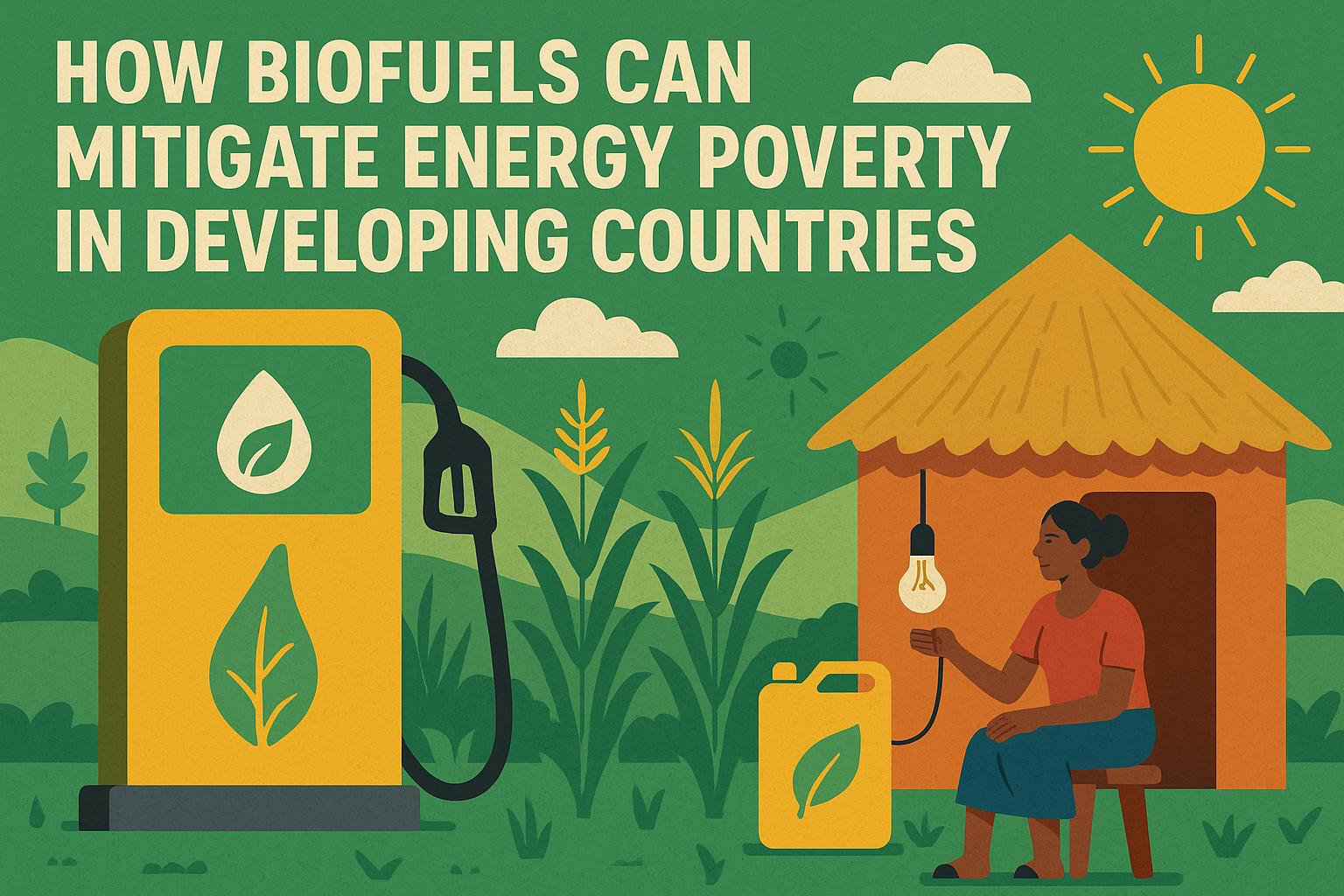
The Role of Biofuels in Addressing Energy Poverty
Energy poverty remains a pressing challenge in many developing countries. A significant portion of the population in these regions lacks access to reliable and sustainable energy sources. This lack of energy access hinders economic development, educational opportunities, and overall quality of life. In this context, biofuels offer a compelling solution to mitigate energy poverty.
Understanding Biofuels
Biofuels are renewable energy sources derived from organic materials, such as plant or animal waste. These renewable sources are largely considered environmentally friendly compared to traditional fossil fuels. Unlike fossil fuels which take millions of years to form, biofuels are replenishable and have a reduced impact on the environment. Common types of biofuels include ethanol, biodiesel, and biogas. Ethanol is often produced from crops such as corn or sugarcane, while biodiesel comes from oils such as soy or palm oil. Biogas is generated through the decomposition of organic waste in anaerobic conditions.
The ability to produce biofuels locally is a remarkable advantage, particularly for developing countries that are looking to improve energy access for their populations. Local production not only aids in reducing transportation costs but also helps in sustaining local agriculture and industries.
The Environmental Benefits
One of the salient features of biofuels is their ability to contribute to a reduction in greenhouse gas emissions. When combusted, biofuels emit fewer pollutants than their fossil fuel counterparts. This makes them an environmentally friendly option, aligning with the sustainable development goals of many nations. The decrease in pollution can lead to better overall public health and a reduction in environmental degradation. This shift is particularly relevant given the growing concerns about climate change and the urgent need to adopt cleaner energy solutions worldwide.
The use of biofuels also helps in conserving biodiversity. As eco-friendly energy sources, they can help reduce the pressure on natural resources and encourage sustainable agricultural practices. Biofuels, when produced responsibly, can have a minimal footprint on water use and agricultural land, especially if generated from waste materials.
Economic Opportunities
The production and use of biofuels can stimulate local economies. By investing in biofuel technology and infrastructure, developing countries can create more job opportunities and support local industries. The jobs can range from those related to the cultivation and harvesting of biofuel crops to positions in processing plants and distribution chains. This economy can receive a significant boost, leading to stronger community resilience and prosperity.
Moreover, biofuels reduce dependency on imported fossil fuels, which are often economically burdensome and subject to volatile price fluctuations. By decreasing reliance on imported energy, countries can save on foreign exchange and improve their trade balance. Local production of biofuels presents the opportunity for cost savings and promotes energy independence, further insuring the country against global energy market instabilities.
Empowering Communities
On a social level, biofuels can empower communities by providing access to clean and affordable energy. In remote areas where traditional energy grids are either lacking or unreliable, biofuels offer a decentralized energy solution. They can be particularly beneficial in rural areas, where access to energy is often limited or nonexistent. By ensuring a consistent energy supply, biofuels support local energy needs and contribute to improved living conditions.
The presence of reliable energy can enhance educational opportunities by enabling students to study longer hours and access digital learning resources. It can also facilitate better health services by ensuring that medical facilities are equipped with necessary power supplies. This improvement in basic infrastructure leads to overall enhancement in the quality of life, promoting regional stability and growth.
Challenges and Considerations
While biofuels present a plethora of opportunities, they are not without challenges. One of the key concerns is ensuring sustainable practices to avoid potential negative impacts. These might include environmental issues such as deforestation, loss of biodiversity, and water depletion, alongside socio-economic challenges like competition with food crops.
A critical consideration lies in balancing the energy needs with environmental conservation efforts. Cultivating energy crops should not threaten food security or lead to skyrocketing food prices. Instead, integrated approaches that utilize waste and non-food crops should be prioritized.
Investments in research and infrastructure are crucial to realizing the potential of biofuels. Technological advancements can substantially improve the efficiency and sustainability of biofuel production. Continued research could lead to breakthroughs in areas such as algae-based biofuels or the development of more resilient crop varieties.
Developing countries may seek support from international organizations and partnerships. These collaborations can offer the necessary financial resources, technological know-how, and policy frameworks to overcome the challenges of biofuel implementation. Effective international cooperation will be instrumental in leveraging biofuels to their full potential for sustainable development.
Conclusion
In conclusion, biofuels can play a significant role in mitigating energy poverty in developing countries. By providing a sustainable and locally-produced energy source, biofuels offer economic, environmental, and social benefits that can drive substantial transformation in energy access. Continued investment and innovation are essential to unlocking the full potential of biofuels. This should involve building robust value chains that connect local farmers, industry stakeholders, and the government.
Whether through biomass power projects or simply by substituting petroleum use in local transportation, biofuels present a way to transition to cleaner, more sustainable energy solutions. Collectively, these efforts complement broader strategies to address global energy challenges and foster a sustainable future for all. For further insights into the advances and impacts of biofuels, visit Biofuels Digest.