
Introduction
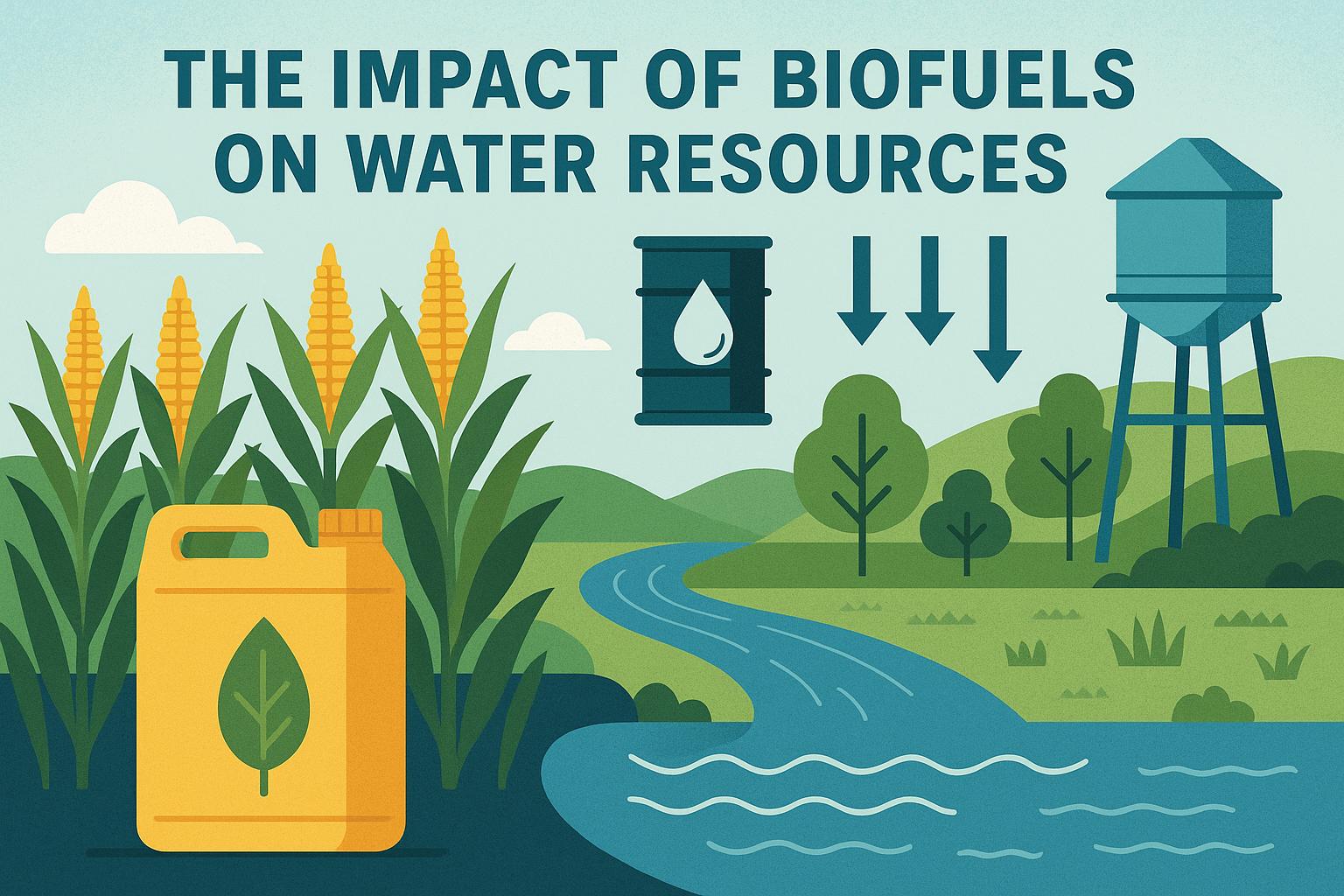
The transition to biofuels as an alternative energy source offers numerous environmental benefits, including reducing reliance on fossil fuels and lowering greenhouse gas emissions. However, the production of biofuels poses significant challenges to water resources, affecting availability, quality, and ecosystem health.
Water Usage in Biofuel Production
One of the primary concerns associated with biofuels is the substantial volume of water needed for their production. Among the various types of biofuels, ethanol and biodiesel are the most prominent. The cultivation of biofuel feedstocks such as corn, soybean, and sugarcane requires considerable water for irrigation. This increased demand can strain water resources, especially in regions suffering from water scarcity.
In examining the global pursuit of biofuel production, it becomes evident that water plays an indispensable yet burdensome role. The urgency of this issue is further exacerbated in areas experiencing dry climates or seasonal droughts, as water supply becomes a limiting factor in the growth and sustainability of biofuel industries. Thorough assessment and understanding of local water resources are essential before embarking on large-scale biofuel ventures.
Irrigation and Water Demand
Irrigation is vital for maintaining high yields of biofuel crops. In regions where water is already a limited resource, this additional demand can lead to competition between agricultural needs and other water uses such as human consumption and industrial applications. The Global Water Partnership has emphasized the need for integrated water resource management to balance these competing needs effectively. For more on integrative approaches to water management, visit Global Water Partnership.
Efficient water management in the biofuel sector also necessitates technological advancements in irrigation practices. Techniques such as drip irrigation and sensor-based water applications can mitigate water wastage, ensuring that every drop of water is utilized to its fullest potential. Many emerging technologies focus on precision in irrigation, tailoring water supply to the specific needs of plants, thus saving significant amounts of water over time.
Impact on Water Quality
Besides affecting water quantity, biofuel production also impacts water quality. The extensive use of fertilizers and pesticides in growing feedstocks can lead to nutrient and chemical runoff. Such runoff contributes to eutrophication, which reduces oxygen levels in water bodies, impacting aquatic life and posing risks to human health. Eutrophication is a well-documented issue in areas with high agricultural activity, highlighting the need for better agricultural practices.
The entry of these chemicals into nearby water bodies does not merely alter their immediate environment but can create long-lasting changes in regional ecosystems. Water pollution from biofuel farms can extend beyond national borders, where affected waterways flow into neighboring countries, complicating international efforts to sustain water quality. This aspect underscores the global nature of water management challenges inherent in modern agriculture.
Mitigation Strategies
To mitigate these effects, strategies such as using precision agriculture and crop rotation are recommended. Precision agriculture optimizes water usage and minimizes chemical inputs, potentially reducing negative impacts on water quality. Promoting the cultivation of drought-resistant and low-water-requirement biofuel crops also presents a sustainable alternative for reducing water usage.
In addition to these strategies, integrated pest management (IPM) can reduce the dependency on chemical pesticides, mitigating their detrimental effects on water resources. Systems based on natural pest antagonists or carefully timed interventions provide viable options to maintain crop health with fewer environmental consequences.
Ecosystem Impacts
The increased water extraction and chemical runoff associated with biofuel production can adversely affect ecosystems. Altering natural water bodies and diverting resources necessary for wildlife threaten biodiversity. Additionally, the clearance of land for biofuel crops can disrupt habitats, affecting flora and fauna reliant on those ecosystems.
Environmental alteration is a key consideration, not only with respect to water but also concerning the physical terrain. The large-scale shift from natural lands to biofuel crop monocultures can significantly reduce habitat complexity, rendering these areas unable to support a diverse array of species. Furthermore, land alterations can lead to soil erosion and degradation, reducing the soil’s natural ability to purify water, adding another facet to environmental health challenges posed by rising demands for biofuel.
Balancing Energy and Environmental Goals
Achieving a balance between developing biofuels as a renewable energy source and maintaining healthy water and ecological systems is crucial. Initiatives focused on sustainable agricultural practices and improvements in water efficiency must be prioritized. Policymakers, industry participants, and environmental groups are encouraged to collaborate in formulating and adopting regulations that protect water resources while supporting renewable energy advancements.
The balance is a dynamic constant, requiring ongoing evaluation and adaptation to new technologies, techniques, and insights. Regulatory frameworks play an important role in this balancing act, providing guidelines and standards that help direct the sustainable development of the biofuel industry. Inclusive policy-making processes that incorporate scientific research, stakeholder engagement, and continuous monitoring are likely to foster more robust and effective outcomes. Collaborative international efforts will be integral in sharing knowledge and experiences, informing practices that consider local ecological contexts.
Conclusion
While biofuels offer a promising path toward a more sustainable energy future, their impact on water resources necessitates careful management and regulatory oversight. Continued research and development in sustainable practices will be vital in mitigating the negative effects while maximizing the benefits of biofuel technologies.
As the world advances toward green energy solutions, the biofuel sector stands at a crossroad with immense potential. However, the success of this industry is contingent upon recognizing and addressing the environmental costs associated with biofuel production. Achieving harmony between energy needs, water sustainability, and ecological well-being is pivotal for the responsible and equitable growth of this sector. Robust policymaking, cutting-edge research, and collaborative international partnerships form the cornerstone of this endeavor, ensuring a balance that will extend benefits to future generations.