

Understanding Biofuels
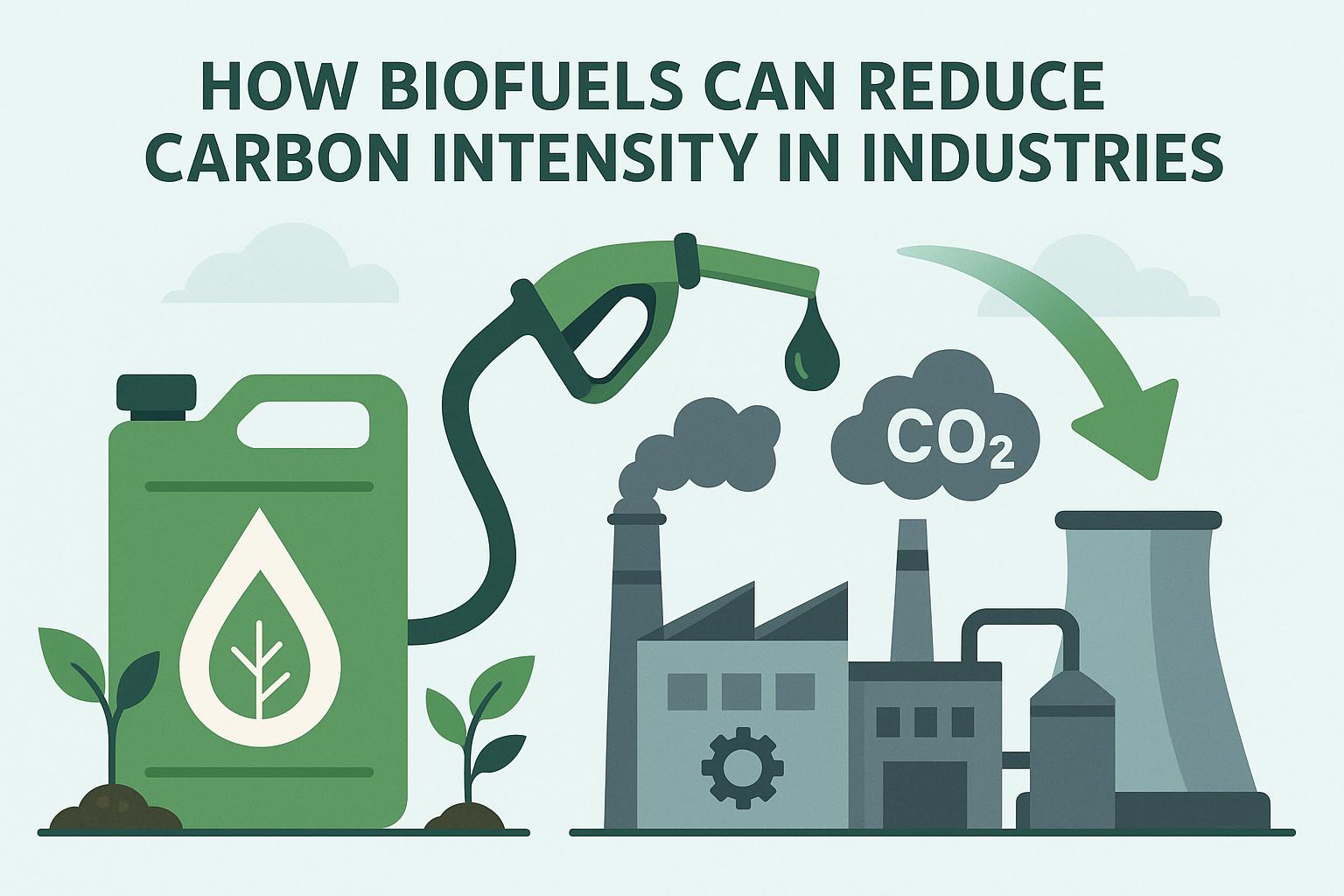
Biofuels have emerged as a viable alternative to traditional fossil fuels, known to contribute significantly to greenhouse gas emissions. These fuels are sourced from biological materials, comprising plant matter and animal waste. Their core advantage lies in the potential to reduce carbon intensity, which measures the carbon dioxide emissions generated per unit of energy or economic activity. This makes biofuels an attractive consideration for industries focusing on sustainability and ecological responsibility.
Chemical Composition and Production
Biofuels are primarily produced through two main processes: biochemical and thermochemical. This section elaborates on the most common biofuels, ethanol and biodiesel, and their production methods.
Ethanol is typically produced through the fermentation of sugars that are naturally present in crops such as corn and sugarcane. This process involves breaking down the starches and sugars in these crops into alcohol, providing a renewable fuel source. Ethanol is widely used, especially as an additive to gasoline, allowing for a cleaner-burning fuel that lessens reliance on pure fossil fuels.
Biodiesel, on the other hand, is produced through a process called transesterification, which involves reacting oils and fats with an alcohol to produce fatty acid esters—commonly called biodiesel. These oils might be obtained from vegetable oils, animal fats, or recycled cooking oils. Biodiesel can be directly used in diesel engines, often blended with conventional diesel, leading to reduced emissions of pollutants such as particulates, carbon monoxide, and hydrocarbons.
The Role of Biofuels in Reducing Carbon Intensity
Biofuels offer several benefits in terms of reducing carbon intensity, making them a strategic choice for modern industries eager to align with environmental goals.
Lower Emissions: When biofuels are burned, they generally release an amount of carbon dioxide roughly equivalent to the CO2 absorbed by the source plants during their growth, largely maintaining a balanced carbon cycle. This greatly contrasts with fossil fuels, which introduce additional CO2 into the atmosphere that had been sequestered underground for millions of years.
Biodegradability: In terms of environmental safety, biofuels are generally more biodegradable than fossil fuels, posing less risk of long-term environmental damage in the event of a spill.
Supply Chain Impact: A significant advantage of biofuels is that they can be introduced relatively smoothly into existing supply chains. Although some adaptations might be needed, major overhauls in infrastructure are not typically required, easing the transition and adoption processes.
Industrial Applications of Biofuels
The application of biofuels in industries is vast and varied. Several sectors are already leveraging biofuels to reduce their carbon footprints and embrace more sustainable practices.
Transportation: The transportation sector is one of the largest users of biofuels, providing power for vehicles such as cars, trucks, and ships. This transition aids in reducing the high emissions typically associated with transportation, making a significant impact on overall industrial emissions.
Heating: Biofuels provide an efficient alternative for heating, especially in industrial processes. They can be used in boilers and generators, reducing the dependence on fossil fuels and decreasing overall emissions related to industrial heating.
Power Generation: Certain industries have adopted the use of biofuels for power generation. Biofuels can be burned to generate electricity, thus supporting a move towards a lower carbon emissions energy grid.
Challenges and Considerations
Despite the clear potential of biofuels to reduce carbon intensity, several challenges must be addressed to fully integrate them into global energy systems.
Feedstock Availability: The production of biofuels heavily depends on the availability and supply of raw material feedstocks. With land use competition, particularly for agricultural purposes, maintaining a steady supply can be challenging. Ensuring that biofuel production does not compromise food supply and prices is an important area of consideration.
Energy Balance: A critical factor in evaluating biofuels is the energy balance or the ratio of energy output to energy input in the production process. Ensuring that the energy consumed in cultivating crops, processing the biofuels, and transporting them is less than the energy they produce is essential for realizing genuine reductions in carbon emissions.
For further insights on biofuels and advancements in the technology surrounding them, one could explore resources from The U.S. Department of Energy along with other relevant organizations involved in energy research and development, offering up-to-date data and findings in this rapidly evolving field.
In summary, while biofuels hold promise for reducing carbon intensity across various industries, the sector must navigate several challenges, including secure feedstock availability and achieving a favorable energy balance. However, with continued research, innovation, and policy support, biofuels could play an essential role in a more sustainable, lower-carbon future.