

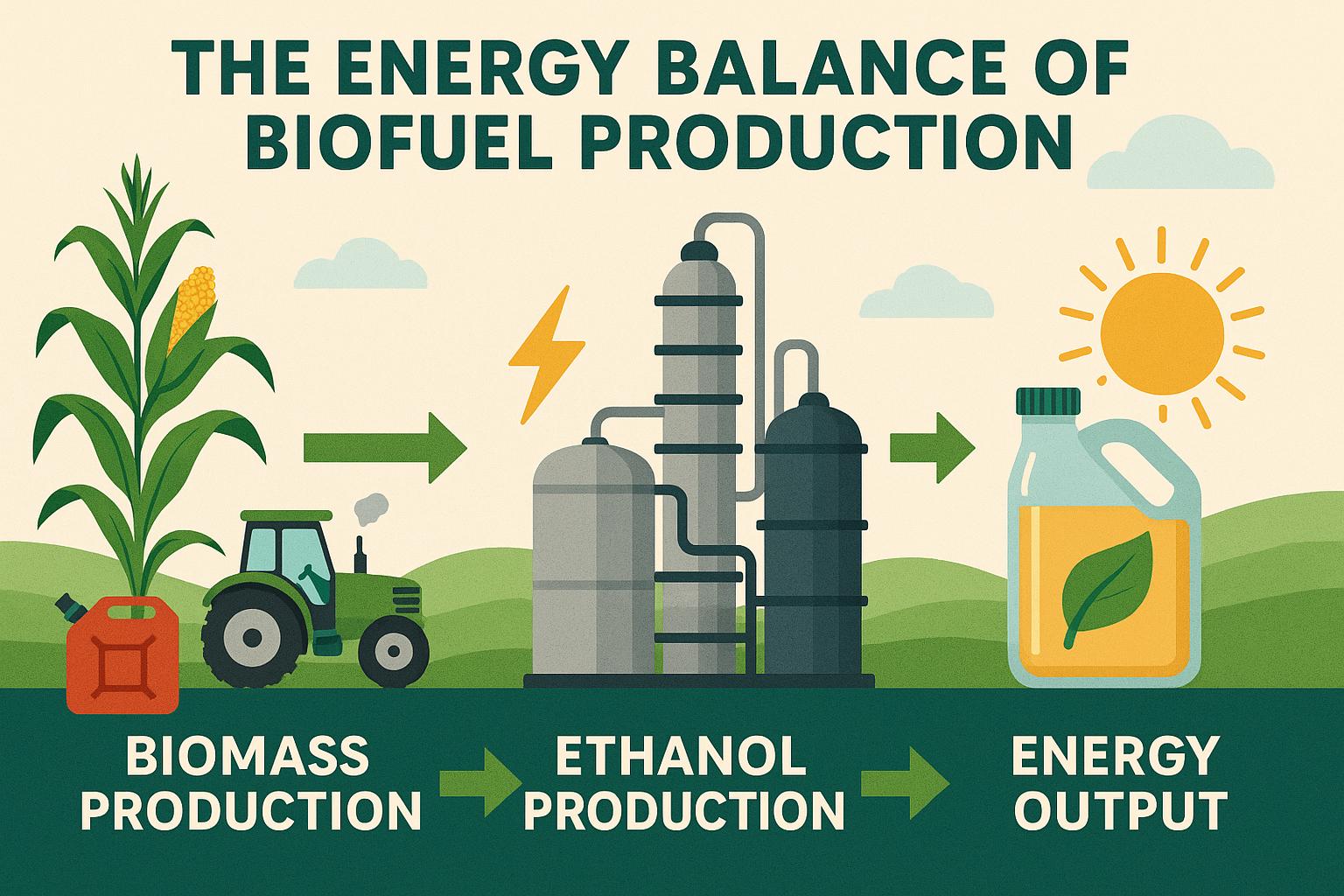
The Energy Balance in Biofuel Production
Biofuel production is an integral part of the global shift towards sustainable energy sources. Understanding the energy balance in biofuel production involves evaluating the total energy input required to produce biofuel and comparing it to the energy output that the biofuel delivers. This assessment helps determine the overall efficiency and sustainability of biofuels as an energy source.
Energy Input in Biofuel Production
The energy input for biofuel production includes multiple factors. Agricultural processes such as planting, cultivating, and harvesting biomass require substantial amounts of fossil fuels and electricity. Additionally, fertilizer production and pesticide application, necessary for crop growth, contribute significantly to the energy input.
The transportation of raw materials to processing facilities also incurs energy costs. Furthermore, the conversion process—whether through fermentation, transesterification, or other methods—demands energy input, primarily in the form of heat and electricity. These inputs must be carefully measured to assess the overall energy balance of biofuel production.
Energy Output of Biofuels
The energy output of biofuels is largely determined by their ability to power engines and generate electricity. Ethanol, for instance, is commonly used to fuel vehicles, while biodiesel is employed as a substitute for traditional diesel. The calorific value of these fuels dictates the amount of energy they can produce, which must be greater than the energy required to produce them for biofuels to be considered a viable alternative energy source.
Net Energy Balance
The net energy balance (NEB) is a crucial metric in evaluating the effectiveness of biofuels. This figure is obtained by subtracting the total energy input from the energy output. A positive net energy balance indicates that the biofuel contributes more energy than it consumes during its production cycle.
Research indicates that the net energy balance can vary significantly between different types of biofuels. For example, studies have shown that some second-generation biofuels, made from non-food biomass such as agricultural residues or wood chips, tend to have a more favorable energy balance compared to first-generation biofuels, which are often derived from food crops like corn and sugarcane.
Environmental Implications
Assessing the energy balance is essential for understanding the environmental implications of biofuel production. A favorable energy balance generally leads to lower greenhouse gas emissions, thereby enhancing the environmental benefits of biofuels. However, when the energy input is high compared to the output, environmental benefits may be negated, challenging the notion of biofuels as a sustainable energy source.
In conclusion, a thorough analysis of the energy balance in biofuel production is vital for determining the sustainability and efficiency of this renewable energy source. By maximizing energy output while minimizing energy input, biofuels can play a significant role in reducing reliance on fossil fuels and mitigating climate change impacts.
Further Considerations in Biofuel Production
To further expand on the topic, it is essential to consider other factors affecting the energy balance, such as technological advancements, geographic variations, and economic constraints. These elements can significantly impact both the energy input and output, thus affecting the overall evaluation of biofuels as a renewable energy source.
Technological Advancements
Technological advancements in agricultural practices, processing techniques, and energy efficiency improvements can lead to a more favorable energy balance. Innovations such as precision agriculture and advanced machinery reduce energy input requirements during the agricultural phase. Similarly, breakthroughs in processing technologies can enhance the conversion efficiency of biomass into biofuel, thereby increasing the energy output.
For instance, optimizing fermentation processes or implementing more efficient enzymes in transesterification can significantly cut down on the energy demand during biofuel production. These enhancements not only improve the energy balance but also make biofuels more competitive with traditional fossil fuels in terms of cost and availability.
Geographic Variations
The energy balance of biofuels can also be influenced by geographic factors. The type of biomass available, climate conditions, and local agricultural practices can all impact both the input and output energies. For example, regions with abundant sunlight and water resources are more conducive to growing energy-rich crops like sugarcane and corn. On the other hand, areas faced with water scarcity or poor soil conditions may require more energy-intensive agricultural practices, thus worsening the energy balance.
Additionally, the proximity of biomass production to processing facilities can affect transportation energy requirements, which can further influence the energy balance. Local policies and incentives aimed at encouraging biofuel production can also play a significant role, impacting the cost-effectiveness and feasibility of producing biofuels in different regions.
Economic Constraints
Economic factors often dictate the scalability and profitability of biofuel production. The cost of raw materials, labor, and technology can influence the overall energy input in production. Subsidies or economic support from governments may help offset these costs, encouraging the adoption of biofuels.
However, fluctuations in fossil fuel prices can also affect biofuel competitiveness, directly impacting the incentives for producers to invest in biofuel production. A correlation exists between crude oil prices and biofuel market dynamics, often shaping investment flows and policy decisions in the renewable energy sector.
Holistic Approach to Biofuel Production
In realizing the full potential of biofuels, a holistic approach must be taken, integrating energy, economic, and environmental perspectives. Maximizing the positive impact of biofuels requires collaborative efforts among scientists, policymakers, and industry stakeholders to develop more efficient production methods, favorable economic frameworks, and supportive policies.
Additionally, sustainable land management practices and careful selection of biomass feedstocks play a crucial role in optimizing the energy balance of biofuel production. These strategies ensure that biofuel production contributes positively to energy security, environmental sustainability, and economic growth on a global scale.
Ultimately, while the challenges are significant, the potential benefits of biofuels in the energy landscape are too substantial to ignore. As technologies evolve and more efficient practices are adopted, biofuels can progressively become a cornerstone of sustainable energy systems, helping to reduce carbon footprints and secure an energy-resilient future.