

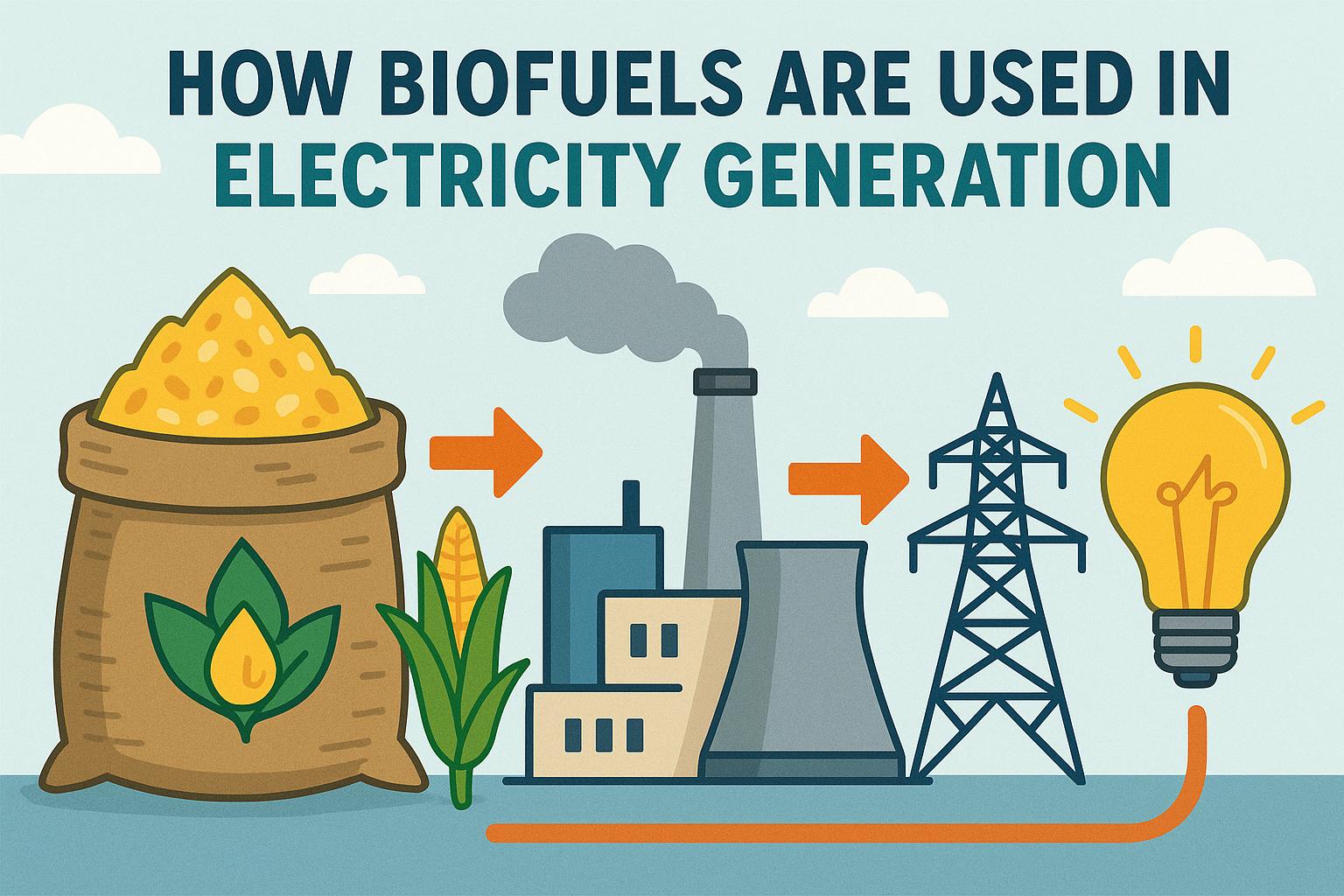
Understanding Biofuels in Electricity Generation
Biofuels have emerged as a promising alternative to traditional fossil fuels in electricity generation due to their renewable nature and potential to reduce carbon emissions. Derived from organic materials, biofuels present an opportunity to create a more sustainable energy future. These innovations could help address the pressing need for cleaner energy solutions in a world increasingly aware of the environmental impacts of fossil fuel consumption.
What Are Biofuels?
Biofuels are derived from biomass, which includes plant materials and animal waste. Common examples include ethanol, biodiesel, and biogas. Unlike fossil fuels, which take millions of years to form, biofuels can be produced relatively quickly through agricultural and biological processes. This rapid production cycle provides a renewable and sustainable energy source that stands in stark contrast to the dwindling reserves of fossil fuels.
Conversion of Biomass to Biofuels
The conversion of biomass into biofuels can be achieved through several methods:
Thermochemical Conversion
: This method involves the application of heat and chemical processes to convert biomass into syngas or bio-oil. Techniques like gasification and pyrolysis are commonly used. Gasification involves heating organic material to high temperatures in a low-oxygen environment, leading to the production of syngas, a versatile fuel that can be used for electricity generation. Pyrolysis, on the other hand, involves decomposing organic material at high temperatures in the absence of oxygen, resulting in the formation of bio-oil, charcoal, and gas.
Biochemical Conversion
: This involves the use of enzymes and microorganisms to break down biomass into biofuels. Fermentation is a key biochemical method used to produce ethanol from sugarcane or corn. During fermentation, sugars are converted into ethanol and carbon dioxide by yeast or bacteria, producing a liquid biofuel that can be used as a substitute for gasoline.
Biofuels in Electricity Generation
In the realm of electricity generation, biofuels are utilized in various ways to harness their energy potential.
Direct Combustion in Power Plants
Biofuels can be directly burned in power plants to generate electricity. This process is similar to how coal or natural gas is used but with reduced greenhouse gas emissions. Power plants might burn solid biomass or biogas in steam turbines or gas turbines, respectively. Biomass materials such as wood chips, agricultural residues, and dedicated energy crops are commonly used for combustion in these power plants. The thermal energy produced during combustion is converted into mechanical energy and then into electricity.
Cofiring with Fossil Fuels
Another approach is cofiring, where biofuels are burned alongside fossil fuels like coal. This practice reduces the overall carbon footprint of the energy generated and helps in transitioning from traditional to renewable energy sources. In cofiring, a portion of the coal used in existing power plants is replaced with biomass, leading to substantial reductions in carbon dioxide emissions. It also extends the life of conventional power plants and enhances the flexibility of the electricity generation system.
Biogas Utilization
Biogas, produced from the anaerobic digestion of organic matter, can be used in combined heat and power (CHP) systems. These systems efficiently generate electricity and heat, offering a higher energy output compared to separate production processes. Biogas primarily consists of methane and carbon dioxide and can be utilized in gas engines or turbines to produce electricity and thermal energy simultaneously. The digestate, a byproduct of anaerobic digestion, can also be used as a nutrient-rich fertilizer, creating a closed-loop system that promotes resource efficiency.
Advantages of Biofuels in Electricity Generation
The use of biofuels brings several benefits:
Renewability: Unlike fossil fuels, biofuels are produced from renewable resources like plants and organic waste, making them more sustainable.
Carbon Emission Reduction: Biofuels typically release fewer greenhouse gases upon combustion compared to traditional fuels, aiding in the fight against climate change.
Energy Security: By diversifying the energy mix, biofuels can reduce dependence on imported fossil fuels and enhance national energy security. Countries investing in biofuel technologies can insulate themselves from the volatility of international energy markets, providing more stable and predictable energy prices.
Challenges and Considerations
Despite their advantages, biofuels come with challenges that must be addressed:
Land and Water Use: Growing crops for biofuels can compete with food production and may require significant water resources. This is particularly concerning in regions where food security is already a critical issue. It is essential to strike a balance between biofuel cultivation and food crop production to ensure sustainable resource utilization.
Cost-Effectiveness: The economic viability of biofuels varies, and in some cases, they may currently be more expensive than fossil fuels. The cost of producing biofuels can fluctuate based on factors such as feedstock availability, technological development, and government policies.
Impact on Ecosystems: Large-scale biomass production can lead to deforestation and habitat loss if not managed sustainably. The conversion of forests or natural grasslands into energy crop plantations can result in biodiversity loss, soil degradation, and increased greenhouse gas emissions.
Future Prospects
The future of biofuels in electricity generation is promising but contingent on technological advancements and sustainable practices. Innovations in crop yield, conversion technologies, and sustainable agriculture could enhance the viability of biofuels as a key component in the global energy portfolio. Investment in research can lead to the development of more efficient conversion processes and the identification of new feedstock sources, such as algae or waste materials, that do not compete with food crops.
Developing policies that support sustainable biofuel production, such as incentives for utilizing marginal lands or waste materials for biofuel feedstocks, can further foster growth in this sector. As global energy demands rise and environmental consciousness becomes more pronounced, biofuels are poised to play an increasingly vital role in meeting electricity needs while reducing the carbon footprint. The integration of biofuels into a broader renewable energy mix, alongside solar, wind, and hydropower, can lead to a more resilient and sustainable energy future.